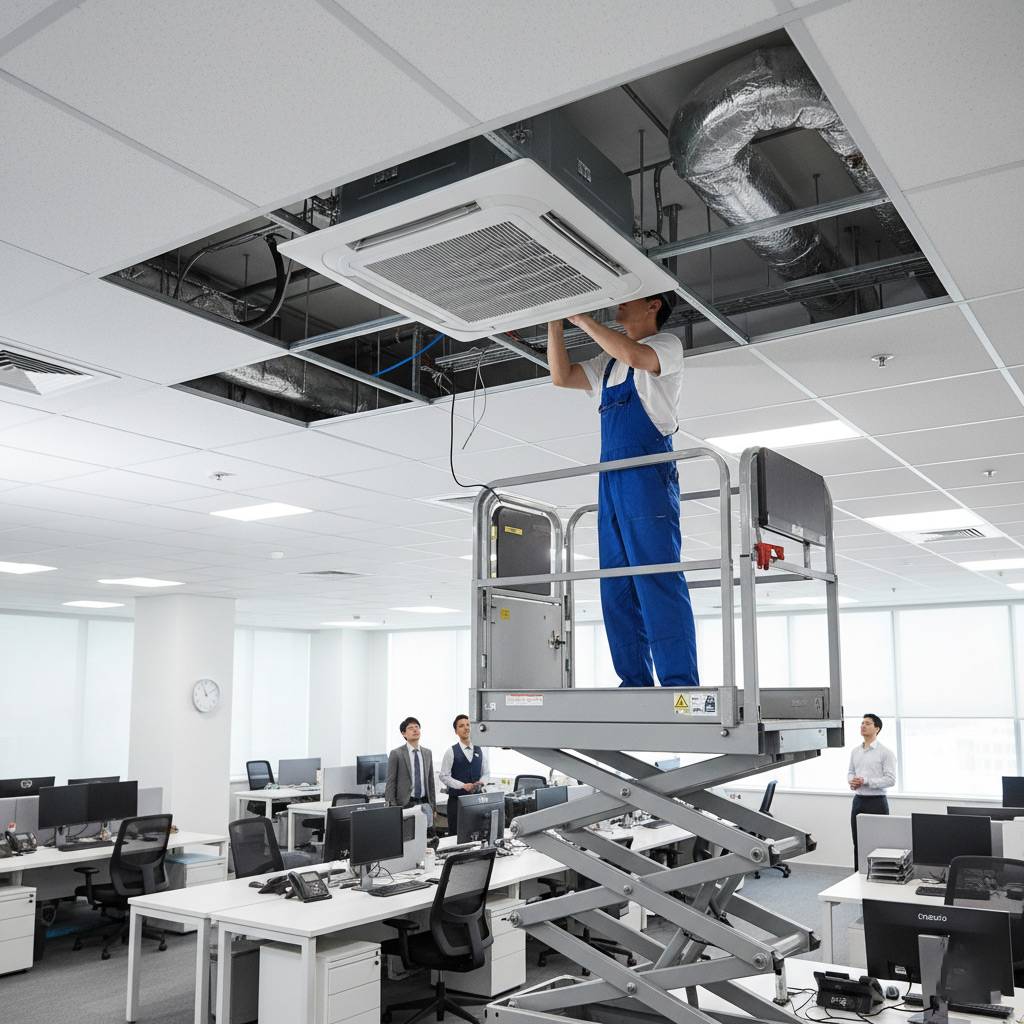
Imagine stepping into your Cape Coral home and feeling a perfect blast of cool the moment you close the front door—no sweat, no guessing, just instant relief. That’s the feeling thousands of neighbors get when they call the crew that knows every hidden quirk of their AC units.
We’ve spent years cracking the code on the most stubborn compressors, leaky coils, and finicky thermostats that make other techs throw up their hands. Our “secret” isn’t magic; it’s a blend of local know‑how, razor‑sharp diagnostics, and a no‑nonsense guarantee that keeps your system running smooth all summer long.
Now that you see why Cape Coral homeowners put their trust in us, let’s pull back the curtain on the exact tricks we use to keep your AC humming.
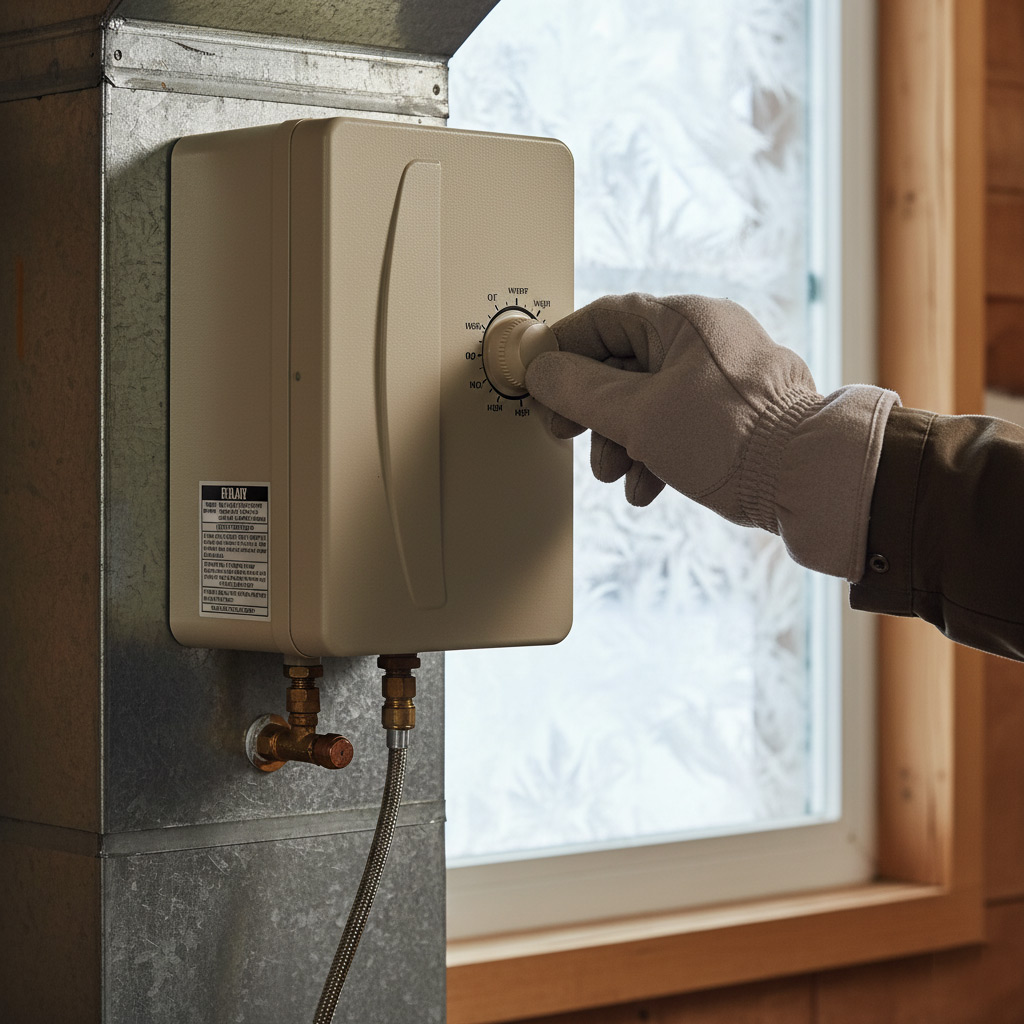
Understanding Cape Coral’s Unique Climate and Its Impact on AC Performance
Living in Cape Coral means battling relentless sunshine, humidity that feels like a wet blanket, and salty breezes that drift in from the Gulf. Those conditions push your air‑conditioner into overdrive, especially when the mercury spikes above 95°F. When the system works harder, wear and tear accelerate.
Heat Waves and Humidity
Summer in this part of Florida isn’t just hot—it’s a furnace with a side of moisture. The extra moisture forces the evaporator coil to work double‑time, which can lead to:
- Frost buildup on the coil, reducing airflow.
- Higher energy consumption as the compressor fights the load.
- Increased risk of mold inside the ductwork.
Coastal Corrosion & Salt
Salt in the air is a silent assassin for metal components. It eats away at copper lines, aluminum fins, and even the compressor housing if left unchecked. Corrosion shows up as leaks, strange noises, and premature part failure. That’s why a local tech who knows how to protect against salt damage makes all the difference.
The Diagnostic Process: How We Identify Hidden AC Issues Quickly
First, we walk the perimeter of your unit like a detective on a crime scene. We listen for odd clicks, feel for uneven airflow, and spot any obvious leaks before we even fire up the tech tools. This quick visual sweep saves time and often reveals the problem before it becomes a nightmare.
Thermal Imaging & Sensor Readings
Next, we pull out our thermal camera and handheld sensors. These gadgets turn invisible heat patterns into a clear picture on a screen, so we can spot a coil that’s frosting over or a compressor that’s running hot.
- Infrared scan of evaporator and condenser coils
- Voltage and amperage check on the motor
- Refrigerant pressure test with digital gauge
Data‑Driven Decision
All the numbers get dumped into our diagnostic software, which flags anything outside the sweet spot. That’s how we catch hidden leaks, failing capacitors, or a thermostat that’s lying about the temperature—issues that most techs would miss on a quick glance.
- Low pressure = possible refrigerant leak
- High amperage = motor or capacitor stress
- Inconsistent sensor readings = thermostat calibration needed
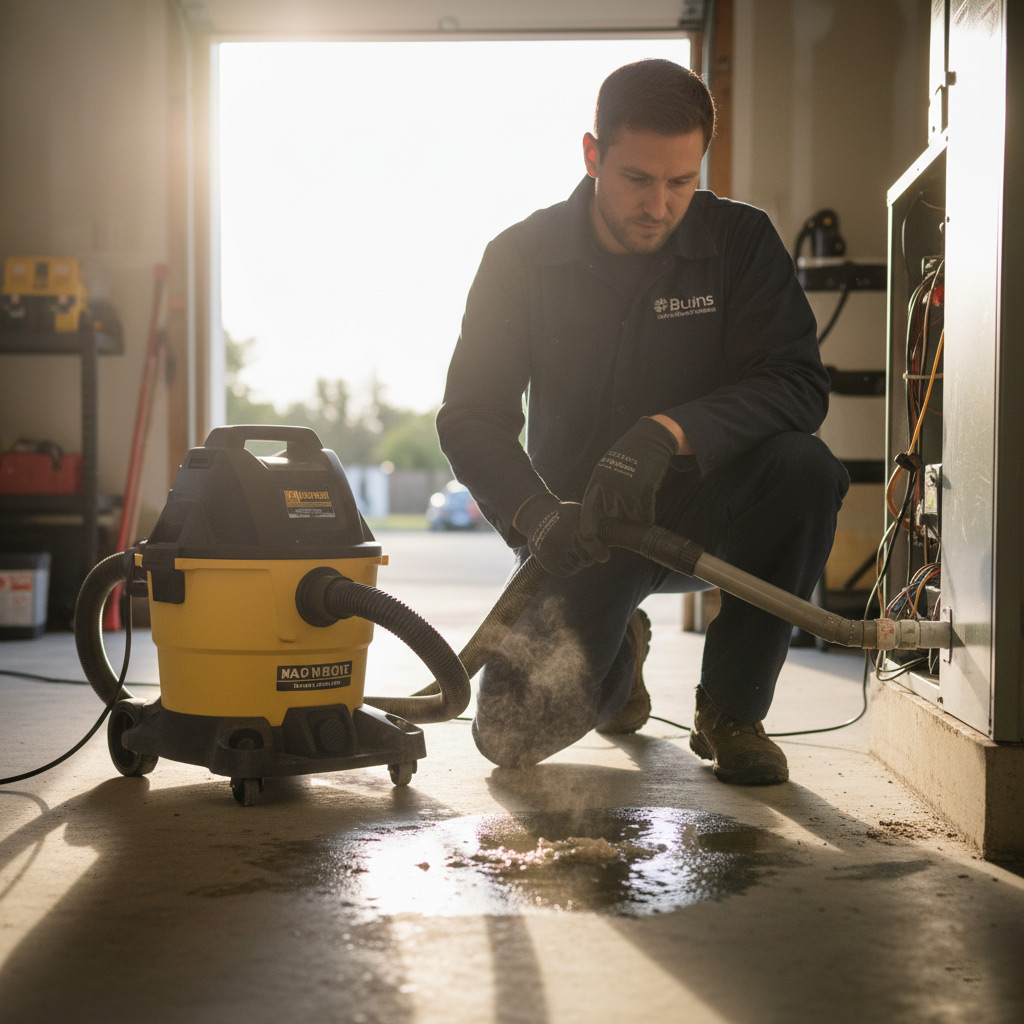
Proven Repair Techniques for Common Problems (compressors, coils, thermostats)
Compressor Rescue
When a compressor starts to sputter, we don’t guess – we test the start capacitor, check the refrigerant pressure, and listen for abnormal noises. Quick isolation of the faulty part saves you time and money.
Our go‑to moves:
- Swap out a weak capacitor with a high‑quality, temperature‑rated unit.
- Flush the system to remove moisture that can corrode internal parts.
- Replace the compressor only after confirming a sealed‑system leak isn’t the culprit.
Coil Care
Dirty or leaky coils are the silent killers of AC efficiency. We start with a thorough visual inspection, then use a coil‑cleaning spray that dissolves grime without harming the fins.
Key steps include:
- Pressurize the system to spot hidden leaks.
- Apply a UV dye; the glow shows exactly where the refrigerant is escaping.
- Seal minor leaks with a refrigerant‑compatible epoxy, then retest for pressure stability.
Thermostat Tuning
Modern thermostats can be tricky, but we treat them like a puzzle. First, we verify the wiring, then calibrate the sensor to match the actual room temperature.
Our checklist:
- Confirm the thermostat is set to the correct mode (cool vs. auto).
- Update firmware if it’s a smart unit – outdated code can cause erratic cycling.
- Program a “hold” schedule for peak heat hours to prevent short‑cycling.
Preventative Maintenance Tips to Extend Your System’s Life
In Cape Coral, the heat never takes a day off, so your AC shouldn’t either. A quick, twice‑a‑year check‑up can shave years off the wear‑and‑tear clock. Think of it as a health exam for your comfort machine—simple, cheap, and wildly effective.
Clean the Coils & Condensate Drain
Dust and salty sea breezes love to coat the evaporator and condenser coils, turning them into mini‑radiators that work harder than they need to. Give them a gentle brush and a spray of coil cleaner before the summer rush.
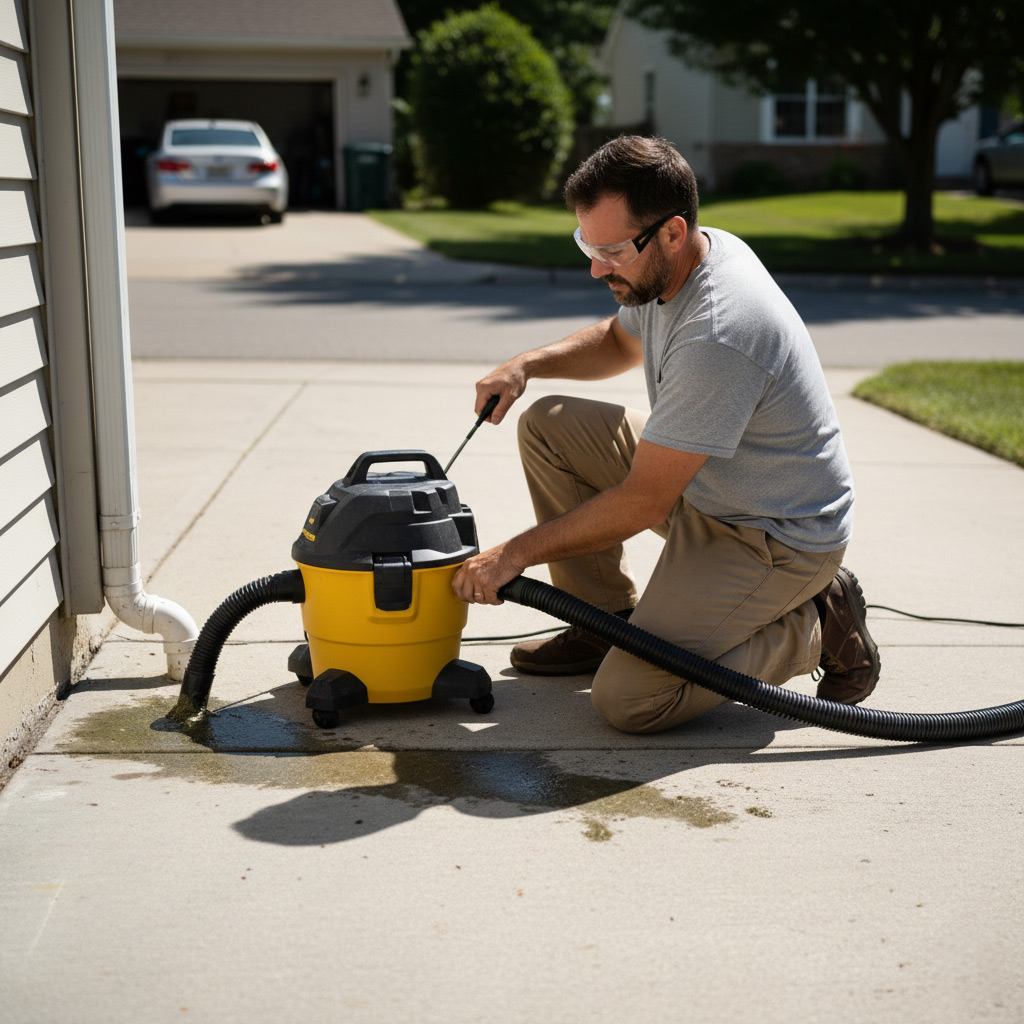
- Turn off power, remove the access panel, and gently vacuum the fins.
- Apply a non‑corrosive coil spray; let it foam, then rinse with a garden hose.
- Flush the condensate drain with a cup of bleach diluted in a gallon of water to prevent clogs.
Check the Thermostat & Electrical Connections
A mis‑calibrated thermostat is the silent thief of energy and comfort. Verify that it reads the same as a handheld thermometer placed in the same room.
- Replace batteries annually; a weak cell can cause erratic cycling.
- Inspect wiring for frayed insulation or loose terminals—tighten any that feel loose.
- Schedule a quick voltage check on the capacitor; a drop below 90% signals a future failure.
Energy‑Efficiency Upgrades Tailored for Cape Coral Homes
Living in a sun‑soaked spot like Cape Coral means your AC works overtime. Upgrading the right components can shave dollars off your bill while keeping the house ice‑cold. The trick is to pick gear that thrives in salty air and high humidity.
Smart Thermostats & Zoning
Modern thermostats learn your schedule, then dial the system down when you’re out. Pair them with zoning controllers and each wing of the house gets just the right amount of chill.
- Wi‑Fi enabled models let you adjust temps from your phone.
- Zoned ducts prevent wasteful cooling of empty rooms.
- Automatic alerts warn you of performance drops before they become costly.
High‑SEER Units & Variable‑Speed Motors
Replacing an old 10‑SEER unit with a 16‑SEER model can cut energy use by up to 30 %. Variable‑speed compressors ramp up only as needed, so you never over‑cool a single room.
- Better humidity control – a must for coastal homes.
- Quieter operation – no more rattling on windy nights.
- Longer lifespan – the motor runs smoother, less wear.
Incentives & Financing
Florida offers rebates for ENERGY STAR upgrades, and many lenders provide zero‑interest loans for efficiency projects. Take advantage now and let the savings start paying for themselves within months.
Case Study: Restoring Comfort for a Waterfront Property in Cape Coral
The Situation
When the Johnsons called, their waterfront home was sweltering despite a brand‑new 5‑ton unit. Salt‑air corrosion had turned the outdoor coil into a rusted mess, and the thermostat was stuck at 78°F.
Our on‑site inspection uncovered three pain points:
- Corroded condenser coils that throttled airflow.
- Leaking refrigerant line caused by a cracked copper pipe.
- Outdated programmable thermostat that couldn’t handle the humidity spikes.
Our Approach
We tackled the problem with a three‑step plan, keeping the Johnsons in the loop every 30 minutes.
- Replace the coil with a marine‑grade aluminum model—built to survive salt spray.
- Repair the refrigerant line, then recharge the system to the manufacturer’s specs.
- Install a Wi‑Fi thermostat calibrated for coastal humidity, and program a “cool‑down” schedule.
All work was completed in a single day, minimizing disruption for the family.
The Outcome
Within an hour of the reboot, the indoor temperature dropped to 72°F, and humidity stayed under 55%.
The Johnsons reported a 30% reduction in energy bills during the first month, and the new coil is expected to last twice as long as a standard unit.
Final Words
When the sun blazes over Cape Coral, you need an AC that *doesn’t* quit on you. That’s why we keep a tight grip on every coil, compressor, and thermostat that walks through our door. Our promise? A system that stays cool, no matter how hot the day gets.
What to do next
- Schedule a Air Conditioning Repair check‑up before the peak heat hits.
- Ask about our no‑surprise pricing and 100% satisfaction guarantee.
- Keep a spare filter on hand – a quick swap can save you a costly breakdown.
Don’t wait for a sweaty night to discover a problem. A short call now can lock in a comfortable tomorrow. Our crew is on standby, ready to diagnose, fix, and fine‑tune your system with the same precision we used on that waterfront property.
Stay ahead of the heat
- Set your thermostat 2 °F higher when you’re out – it cuts energy use without sacrificing comfort.
- Clear debris from the outdoor unit; a clean coil breathes easier.
- Consider a smart thermostat upgrade for real‑time alerts on performance dips.
People Also Ask
What makes Cape Coral’s climate challenging for air conditioners?
Cape Coral’s hot, humid summers and salty coastal air accelerate wear on AC components, especially coils and compressors. This environment demands faster diagnostics and corrosion‑resistant repairs to keep systems running efficiently.How quickly can your technicians locate hidden AC problems?
Our technicians use advanced diagnostic tools and a systematic checklist to pinpoint issues within 30‑45 minutes. This rapid identification reduces downtime and prevents unnecessary part replacements.Which common AC issues do you repair most often?
We frequently address failing compressors, clogged or frozen coils, and malfunctioning thermostats. Each repair follows proven techniques that restore performance while extending the unit’s lifespan.What preventative maintenance steps do you recommend for Cape Coral homes?
We suggest quarterly filter changes, annual coil cleaning, and routine refrigerant level checks. These simple actions help avoid costly breakdowns and keep energy bills low.Can your energy‑efficiency upgrades lower my utility costs?
Yes, we install high‑SEER units, programmable thermostats, and duct sealing solutions tailored to Cape Coral’s climate. Homeowners typically see a 10‑20% reduction in monthly energy expenses.
Cape Coral HVAC brings over two decades of certified heating and cooling expertise to the Cape Coral community. Their team of licensed technicians delivers reliable service and tailored solutions for residential and commercial properties. Committed to local comfort, they prioritize prompt response and personalized care for every client.
Need HVAC?
We deliver rapid, reliable home repair and maintenance across Cape Coral and surrounding communities (33904, 33905, 33907, 33901, 33912). Our team restores functionality quickly so you can move on.
Request a fast quote