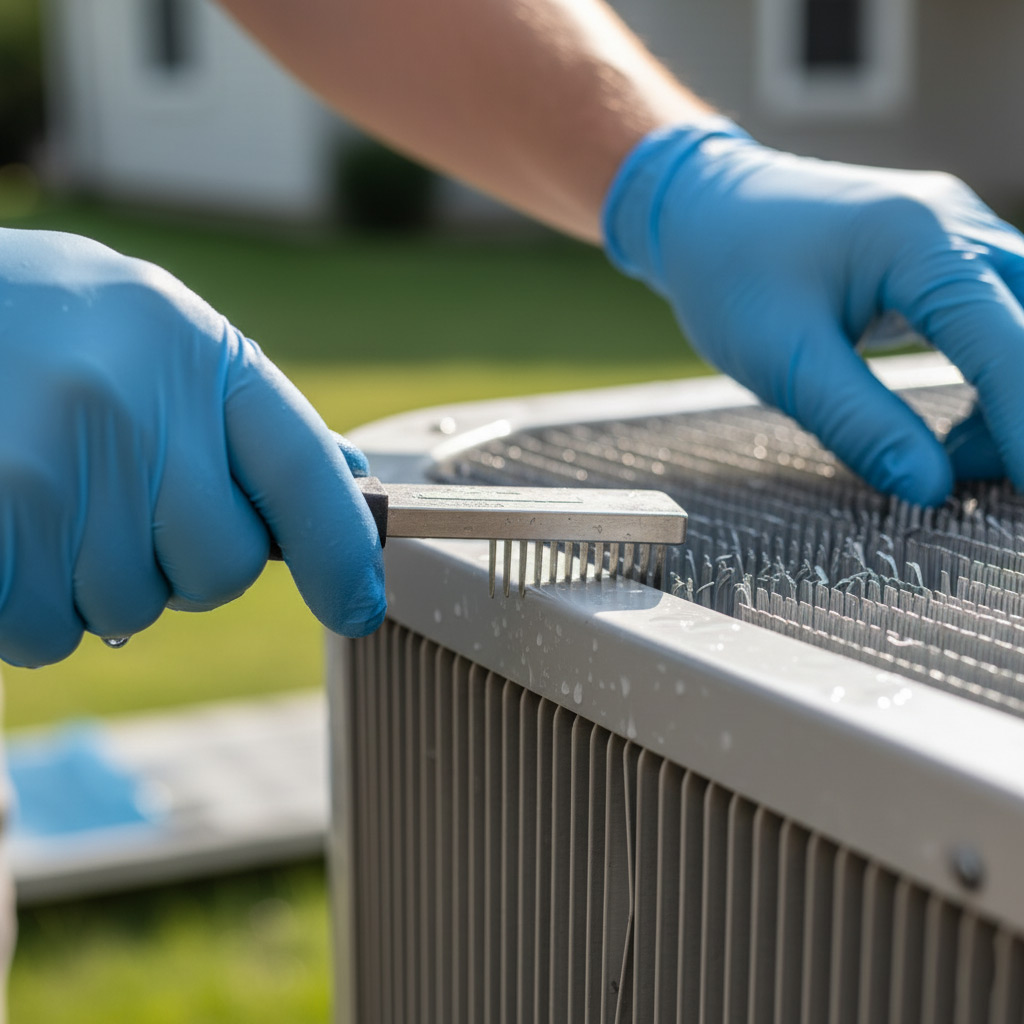
Picture this: you walk into your Cape Coral house after a sweltering day, and a crisp, clean breeze greets you like an old friend. That instant comfort isn’t magic—it’s the result of a smart HVAC install that knows the local heat like the back of its hand.
In a town where humidity can turn a simple afternoon into a sauna, getting the right system, the right placement, and the right professional is the difference between sweating and smiling. You’ll avoid costly mistakes, keep your energy bills in check, and protect your home’s resale value.
What follows is a step‑by‑step playbook that cuts through the jargon, shows you what to ask before you sign a contract, and reveals the hidden pitfalls most homeowners miss. Ready to lock in that perfect indoor climate? Keep reading and get the insider know‑how you need.
Understanding Cape Coral’s Climate and Its Impact on HVAC Requirements
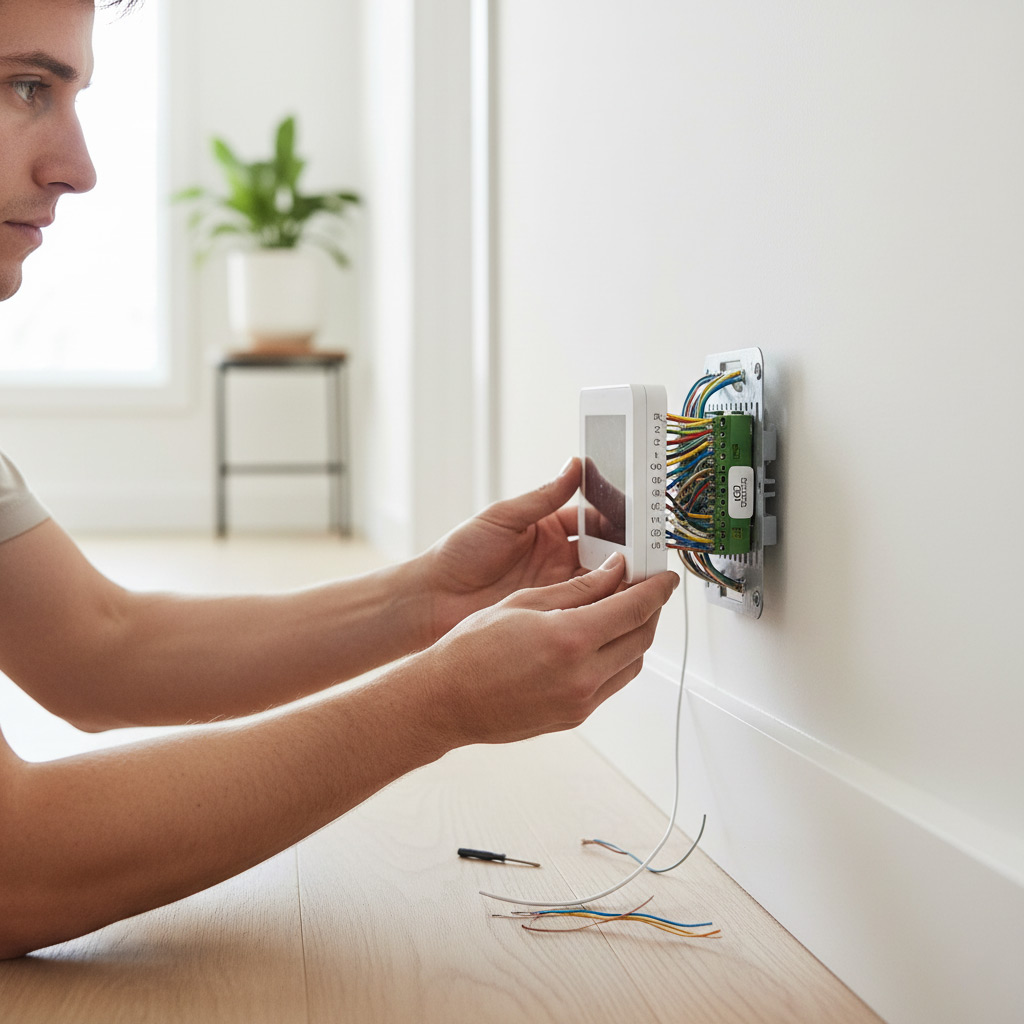
Cape Coral basks in a subtropical sun that pushes daily highs into the low‑100s °F during summer, while humidity often hovers above 70 %. Those muggy afternoons turn any indoor space into a steam room if the air isn’t pulled, cooled, and dried fast. Even winter brings occasional chills, but the real challenge is the swing between scorching heat and sticky moisture.
What the Weather Demands from Your System
Because the climate is a relentless mix of heat and humidity, a good HVAC unit must do more than just blow cold air. It needs to:
- Deliver high SEER ratings to keep electric bills from exploding.
- Remove moisture efficiently so you don’t end up with mold or a clammy feel.
- Handle occasional cold snaps without overworking the compressor.
Skipping any of these points means you’ll feel the heat, see the bills climb, and hear the unit whine louder than a mosquito at night.
Why One‑Size‑Fits‑All Won’t Cut It
In Cape Coral, a “standard” 2‑ton unit might feel fine on a mild day, but when the humidity spikes, it can’t keep up. The result? Short‑cycling, uneven temperatures, and a system that quits before summer ends. The secret is a system sized and tuned for the exact load your home carries—nothing more, nothing less.
Determining the Ideal HVAC System Type for Your Home
First, ask yourself: do you need whole‑house cooling or just spot relief? In Cape Coral, most homes benefit from a system that can handle both heat and humidity without breaking the bank.
Central Air Conditioning
Central air is the classic choice for larger floor plans. It uses a single outdoor condenser paired with a network of ducts to deliver consistent temperature throughout every room.
- Pros: Even cooling, easy thermostat control, adds resale value.
- Cons: Duct leaks can waste energy, higher upfront cost.
Ductless Mini‑Split Systems
If your home has additions, a pool house, or you simply want to avoid ducts, a ductless mini‑split might be the sweet spot. Each indoor unit operates independently, so you only cool the spaces you use.
- Pros: Precise zoning, lower installation time, quieter operation.
- Cons: More visible indoor units, may need multiple heads for big homes.
Heat Pumps vs. Traditional AC
Heat pumps double as heaters, which is a big win during those occasional cold snaps in winter. In a humid climate like Cape Coral, a variable‑speed heat pump can de‑humidify while cooling, keeping indoor air comfortable.
- Heat pump: efficient year‑round, lower electric bill.
- Traditional AC: cheaper upfront, but you’ll need a separate furnace for heating.
Accurate Load Calculations: How to Size Your System Correctly (Manual J)
Why Manual J Is Your Safety Net
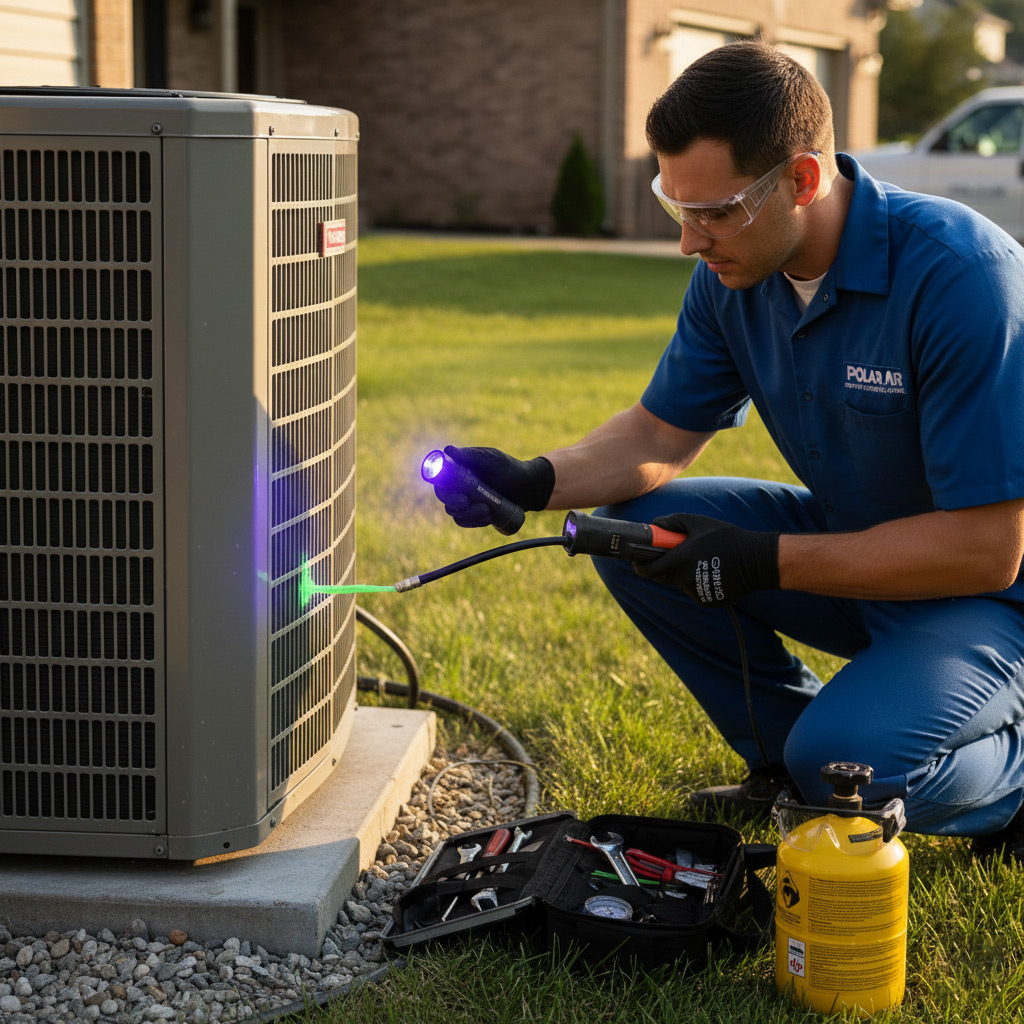
Skipping the math is a gamble you don’t want to take. Manual J gives you the exact BTU demand for every room, so you never over‑pay for a monster unit or suffer with a weak one. Right‑sized equipment runs cooler, lasts longer, and keeps your electric bill in check.
The Manual J Checklist
Here’s the quick‑hit list you’ll hand to any contractor who claims they know the numbers:
- Square footage of each conditioned space, measured from wall to wall.
- Insulation levels – R‑value of walls, attic, and floors.
- Window details – size, orientation, and glazing type.
- Local climate data – Cape Coral’s summer highs and humidity.
- Occupancy and appliance heat loads (kitchen, laundry, etc.).
When the contractor runs a Manual J report, ask to see the spreadsheet. If they can’t produce it, walk away.
Common Pitfalls to Dodge
Homeowners often let “bigger is better” dictate the decision. That leads to short‑cycling, noisy operation, and wasted energy. Also watch out for “rule‑of‑thumb” sizing – it’s a myth that a 1‑ton unit per 600 sq ft works everywhere. In Cape Coral’s humidity, the numbers shift dramatically.
Vetting Contractors: Key Questions and Credentials to Verify
Choosing the right installer is the single biggest factor that separates a cool, quiet home from a money‑draining nightmare. A cheap quote can hide hidden fees, shoddy workmanship, or an uninsured crew. Ask the right questions early, and you’ll dodge the drama before it starts.
License, Insurance, and Certifications
Never sign a contract without confirming these basics. They’re the safety net that protects you if something goes wrong.
- State HVAC license – Verify the number with Florida’s Department of Business & Professional Regulation.
- Liability insurance – Ask for a certificate of coverage; it should list your address as a covered location.
- EPA Section 608 certification – Required for anyone handling refrigerants.
- Manufacturer certifications – Look for NATE, Carrier, Trane, or Lennox credentials that prove the tech knows the exact unit you’re buying.
Performance Track Record
Experience beats hype every time. A contractor with a solid local reputation will know how Cape Coral’s humidity and sea‑breeze affect system life.
- Ask for at least three recent references; call them and note how quickly the installer responded to issues.
- Check online reviews on Google, Yelp, and the Better Business Bureau – focus on patterns, not isolated complaints.
- Confirm the company’s average project timeline – a realistic schedule shows they plan, not guess.
- Request proof of a recent Manual J load calculation they performed for a similar home; it proves they size systems correctly.
The Installation Process: Step‑by‑Step Guide from Start to Finish
Step 1: Pre‑Installation Walk‑Through
Before any tools touch the ceiling, the contractor does a quick house tour. They check duct routes, verify clearances, and confirm the spot for the outdoor unit. Nothing gets started until you both sign off on the plan.Step 2: Rough‑In and Ductwork
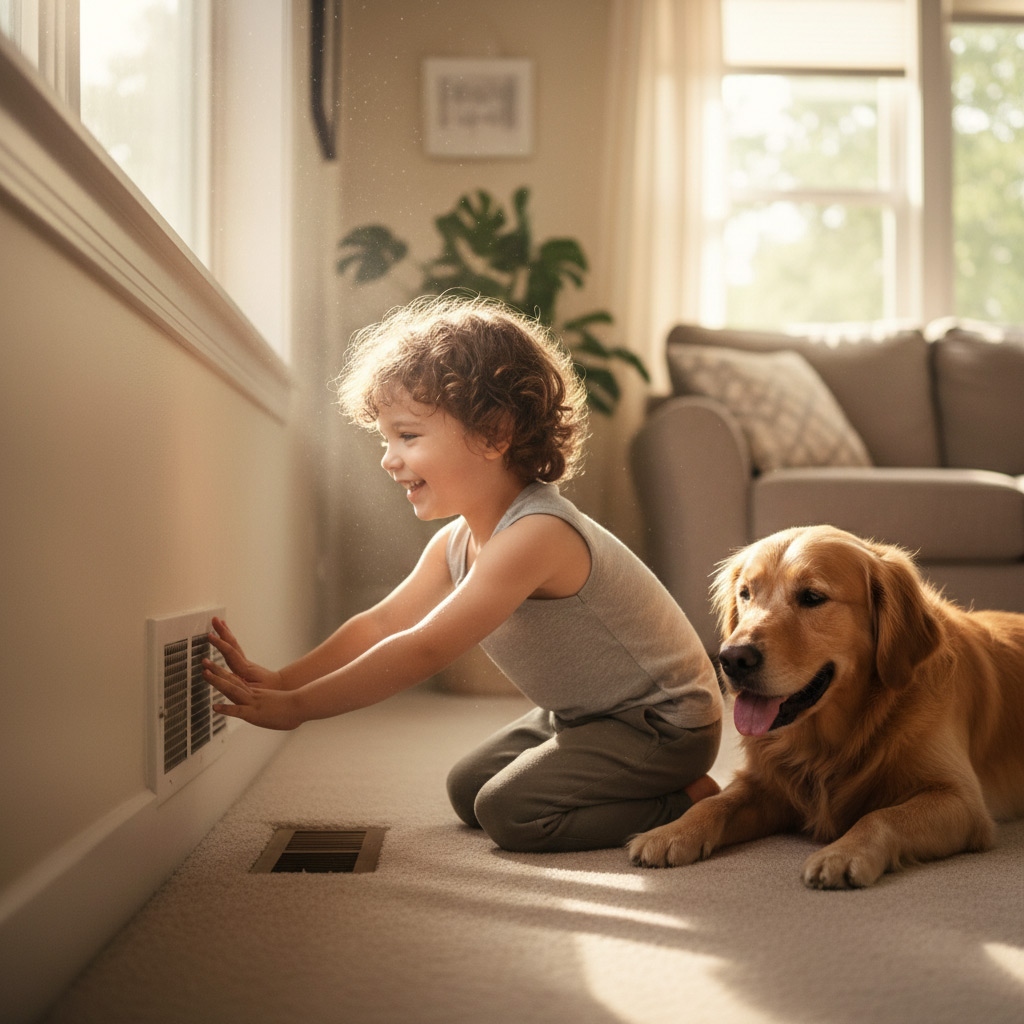
Technicians mount the indoor air handler, run refrigerant lines, and connect the new ductwork. Every seam is sealed with mastic, not cheap foil tape. This stage includes:- Securing the condensate drain
- Installing the thermostat wiring
- Testing for proper airflow
Step 3: Outdoor Unit Placement & Power Hook‑Up
The outdoor condenser sits on a level pad, away from direct sunlight and foliage. A licensed electrician ties the unit to a dedicated circuit, then the tech tightens all refrigerant connections. Pressure checks confirm there are no leaks.Step 4: Commissioning & Owner Walk‑Through
With the system humming, the installer runs a full performance test. They calibrate the thermostat, demonstrate how to change filters, and hand you a simple maintenance checklist. You’ll see the temperature drop in minutes—proof that the job was done right.Case Study: A Successful HVAC Installation in a Cape Coral Residence
Background
John, a 45‑year‑old accountant, bought a 2,200‑sq‑ft ranch in Cape Coral in 2022. The house sat on a slab, had a leaky attic, and the old split‑system could barely keep up with the summer humidity. He wanted a system that would stay cool without blowing his electric bill through the roof.
The Process
After a thorough Manual J load calculation, the contractor recommended a 4‑ton, two‑stage heat pump paired with a variable‑speed air handler. The team verified the contractor’s NATE certification and asked for proof of recent installations in the area.
Installation day followed a tight schedule: duct sealing, refrigerant line set‑up, and a smart thermostat pre‑programmed for Cape Coral’s peak hours. The crew completed the job in 1.5 days, leaving the site spotless.
Results
Within two weeks, John reported a noticeable drop in indoor temperature and a 28 % reduction in his monthly energy bill. The system also earned a HERS rating of 78, boosting his home’s resale appeal.
- Comfort: Even on 95°F days, indoor temps stayed at a steady 74°F.
- Energy Savings: $120 saved per month on average.
- Longevity: Manufacturer’s 12‑year warranty activated immediately.
Final Words
Even after the dust settles, the real work begins: a regular maintenance routine that catches wear before it becomes a wallet‑draining surprise. Schedule a check‑up at least twice a year, and keep an eye on filter condition, thermostat accuracy, and any odd noises. A quick call to your installer when something feels off can save you weeks of discomfort.
Living in Cape Coral means you’ve got a partner in the climate, not an enemy. Tap into local expertise - your HVAC pro knows the humidity quirks better than anyone.
Before you lock the door on your next project, run through this quick sanity check:
- System size matches the Manual J calculation?
- Contractor holds proper Florida licensing and insurance?
- Warranty paperwork is signed and filed?
- Maintenance schedule is set in your calendar?
People Also Ask
What HVAC system is best for Cape Coral’s hot and humid climate?
A high-efficiency central air conditioner paired with a variable-speed furnace or heat pump works best, as it provides consistent cooling and dehumidification. Look for units with SEER ratings of 16 or higher for optimal performance.How often should I have my HVAC system inspected in Cape Coral?
Schedule a professional inspection and tune‑up at least once a year, preferably before the summer heat arrives. Regular maintenance helps maintain efficiency and prevents costly breakdowns during peak demand.What is a Manual J load calculation and why is it important?
A Manual J load calculation determines the exact heating and cooling capacity your home needs based on size, orientation, insulation, and window types. Proper sizing ensures comfort, energy savings, and avoids premature system wear.How can I verify that an HVAC contractor is licensed in Florida?
Ask to see the contractor’s Florida C‑10 license number and confirm it on the Florida Department of Business & Professional Regulation website. Also check for insurance coverage and any industry certifications such as NATE.What are the typical costs for a full HVAC installation in Cape Coral?
Installation costs vary widely, but most homeowners spend between $5,000 and $9,000 for a complete central system, including labor and permits. Factors influencing price include system size, efficiency rating, and any required ductwork upgrades.
Cape Coral HVAC brings over 15 years of residential and commercial climate control expertise to the Cape Coral community. Their certified technicians specialize in efficient heating, cooling, and indoor air quality solutions tailored to local homes and businesses. Committed to reliable service, they prioritize prompt response and personalized care for every client.
Need HVAC?
We deliver rapid, reliable home repair and maintenance across Cape Coral and surrounding communities (33904, 33905, 33907, 33901, 33912). Our team restores functionality quickly so you can move on.
Request a fast quote