You think a brand‑new HVAC unit will drain your wallet before you even get the first cool breeze? Most homeowners in Cape Coral are shocked when the final bill lands on their kitchen table.
That shock isn’t a myth—it’s the result of hidden labor rates, seasonal price spikes, and a maze of “must‑have” add‑ons that most contractors never spell out. Add in the salty air and the heat that never quits, and you’ve got a perfect storm for surprise costs.
In this post we’ll break down every line item you’ll see on a replacement quote, show you where you can shave dollars without sacrificing comfort, and reveal the financing tricks locals use to keep cash flow smooth.
Ready to see the real numbers behind a Cape Coral HVAC swap and stop guessing what’s next? Keep reading and we’ll pull back the curtain on the true cost of staying cool.

Understanding the Core Components of an HVAC Replacement Quote
Equipment – the price tag you see first
The unit itself usually makes up 40‑55% of the total. Brand, SEER rating, and size drive the number. A high‑efficiency 5‑ton system can cost twice as much as a basic 3‑ton model, but the savings on your electric bill can offset that over time.
Labor – where the hidden fees hide
Installation isn’t just “plug‑and‑play.” Technicians must size ducts, secure refrigerant lines, and calibrate thermostats. Expect a line‑item for hourly labor, plus a separate charge for disposal of the old unit and any required retro‑fitting.
Additional fees – the fine print you can’t ignore
- Permit costs: Cape Coral requires a city permit for any HVAC work; fees range $75‑$150.
- Inspection fees: A post‑install inspection ensures everything meets local codes.
- Travel surcharge: Contractors often add a mileage fee if they’re coming from outside the 15‑mile radius.
- Warranty upgrades: Extended coverage can add $300‑$600 but may save you headaches later.
When you break the quote down, you’ll see exactly where each dollar goes. That clarity lets you negotiate the parts you truly need and cut the fluff that pads the price.
How Seasonal Demand and Labor Rates Impact Your Bottom Line
Peak Summer vs. Quiet Winter
When the mercury climbs above 90°F, Cape Coral HVAC contractors are booked solid, and prices follow suit. Summer labor premiums can add 15‑25% to the base quote, simply because technicians are in high demand.
Come the cooler months—October through February—most firms experience a lull. That’s the sweet spot for homeowners to lock in a lower rate and often snag a free system check.
Labor Rate Fluctuations
Florida’s minimum wage hikes and the shortage of certified technicians have pushed hourly wages up. A typical install crew now charges $85‑$110 per hour, versus the $70 range you’d see a decade ago.
Don’t let the headline number scare you; break it down:
- Labor: 40‑50% of the total cost
- Equipment: 30‑35%
- Permits & fees: 10‑15%
Understanding this split lets you see where a seasonal discount really hits.
Timing Your Replacement
Schedule the swap during the “shoulder season” (late September or early May) and you’ll likely avoid the summer surcharge. Contractors often offer:
- Free or discounted duct cleaning
- Reduced permit handling fees
- Flexible financing with lower interest
These perks can shave a few hundred dollars off a $7,000‑$9,000 project—money that stays in your pocket instead of the contractor’s.
Essential vs. Optional Add‑Ons: What You Really Need in Cape Coral
Essential Add‑Ons
In a salty, humid market like Cape Coral, you can’t skimp on the basics. A properly sized unit, a high‑efficiency SEER rating, and a corrosion‑resistant coil are non‑negotiable.
- Correct Sizing – Prevents short‑cycling and saves energy.
- Corrosion‑Resistant Coils – Fight the salty air that eats metal.
- High SEER (≥16) – Keeps bills low while the sun blazes.
Optional Add‑Ons
These upgrades feel nice, but they’re not always worth the extra cash. Think of them as “nice‑to‑have” unless your home has a specific need.
- Smart thermostat – Convenience, modest savings.
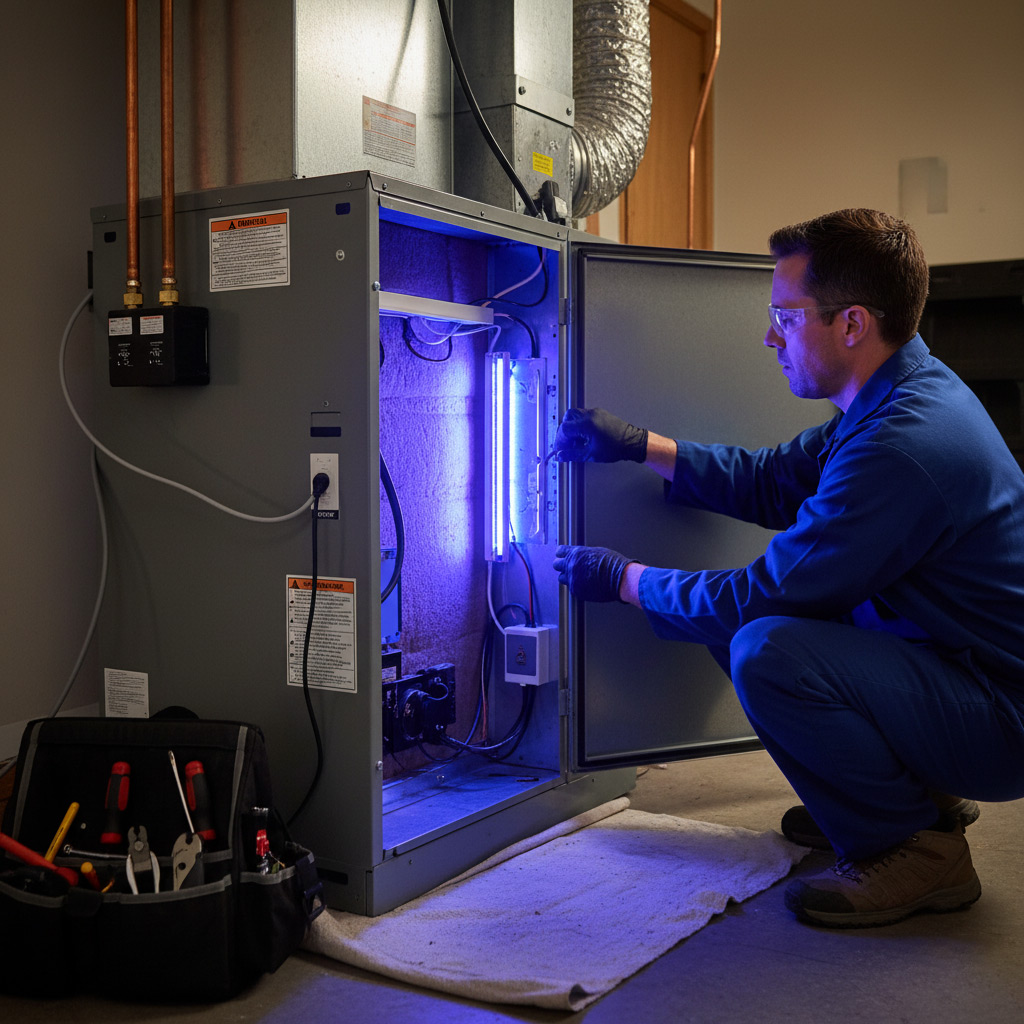
- UV light or antimicrobial coil – Reduces mold, good for allergy sufferers.
- Whole‑house humidifier – Balances dry winter air, optional for most.
- Advanced air purifier – Premium price, niche benefit.
How to Choose Wisely
Start with the essentials, then ask yourself: will this add‑on pay for itself in comfort or lower bills? If the answer is “maybe,” get a written ROI estimate before you sign.
Don’t let a sales pitch push you into a $2,000 upgrade you’ll never use. Focus on durability, efficiency, and the climate you live in – that’s the formula for a smart Cape Coral replacement.
Navigating Permits, Inspections, and Local Regulations
Why the Permit Paperwork Isn’t a Joke
Lee County requires a mechanical permit before any new HVAC system can be hooked up. The city of Cape Coral’s building department checks that the unit meets code, that the refrigerant charge is correct, and that the installation won’t jeopardize neighboring homes. Skipping this step can lead to a stop‑work order and a hefty fine that dwarfs the price of the unit itself.
What the Inspector Will Look For
When the inspector arrives, they’ll verify three things: proper clearances, correct duct sizing, and a functional thermostat. The visit usually lasts under an hour, but you’ll need to be on site to answer quick questions. If something’s off, you’ll get a punch list—fix it, get re‑inspected, and you’re back in business.
Local Rules That Can Add Up
Cape Coral’s salty air and high humidity force a few extra requirements that many homeowners overlook.
- Corrosion‑resistant brackets for outdoor condensers—adds $150‑$300.
- Energy‑Star compliance—may qualify you for a $500 rebate, but the unit must be rated ≥ 15 SEER.
- Noise‑limit zones near residential streets—some contractors need a sound‑attenuation kit.
Ask your installer for a copy of the local code checklist. Having it in hand lets you budget for the “must‑haves” and avoid surprise line‑items later.
Financing Options and Incentives Specific to Southwest Florida Homeowners
Smart Ways to Pay for a New System
Most Cape Coral families start with a 0‑% APR credit line from a local bank or credit union. It lets you spread the cost over 12‑24 months without extra fees. If you own equity, a home‑equity line can shave a few hundred dollars off the interest you’d pay on a traditional loan.
Another popular route is a energy‑efficiency loan offered by the Southwest Florida Power Cooperative. These loans are designed for HVAC upgrades and often come with flexible repayment terms that match your cash flow.
Cash‑Back and Tax Breaks You Can’t Ignore
Florida doesn’t have a state sales tax on HVAC equipment, but you can still tap into federal and local rebates. Here’s the quick list:
- Federal Tax Credit: Up to 30 % of the equipment cost for ENERGY STAR units (check the IRS Form 5695).
- Lee County Rebate: $200‑$500 off when you install a high‑efficiency heat pump.
- Utility Company Incentives: Gulf Power and FPL run seasonal promos that cover up to $400 in labor.
Combining Money‑Saving Tools
Start by applying for the federal credit before you sign the contract—many contractors will handle the paperwork for you. Then, lock in a 0‑% loan to cover the remaining balance. Finally, submit your utility rebate claim within 30 days of installation to avoid missing out.
Keep your credit score above 680 and you’ll qualify for the best rates. A little planning can turn a $7,500 replacement into a $5,800 out‑of‑pocket expense.
Real‑World Case Study: A Cape Coral Family’s $3,200 Savings on a Full System Replacement
The Situation
When the Martinez family called us, their old split‑system was coughing out hot air and their first quote was $9,800. They felt the price was a punch to the gut.
We dug into the line items and found three hidden cost drivers:
- Premium brand markup – a name‑plate unit they didn’t need.
- Unnecessary duct sealing that added $1,200.
- Seasonal labor surcharge of 15% because the estimate was done in July.
How We Cut the Bill
First, we swapped the high‑end brand for a mid‑tier unit with the same SEER rating. That alone shaved $1,500.
Next, we eliminated the duct work upgrade. The existing ducts passed a simple pressure test, so no extra sealing was required.
Finally, we scheduled the install for early October, when labor rates dip 12%. That saved another $200.
The Bottom Line
Original quote: $9,800.
Adjusted quote: $6,600.
Total savings: $3,200.
The Martinez family walked away with a brand‑new, energy‑efficient system and a healthier bank account. Their story proves that a smart audit can turn a scary number into a manageable investment.
Final Words: Making an Informed Decision on Your HVAC Investment
Know Your Numbers Before You Sign
Grab every line item from at least three local contractors and lay them side by side. Don’t just look at the total price—break it down into equipment, labor, permits, and any add‑ons. When you see a $1,200 charge for “system start‑up,” ask if that’s a standard fee or a markup. A quick spreadsheet will reveal which quote is truly competitive.
Play the Long‑Game
Cheapest upfront isn’t always cheapest over ten years. A unit with a higher SEER rating may cost $800 more now, but it can shave $150‑$200 off your electric bill each summer. Add in the warranty length and the cost of routine service contracts, and you’ll see the real ROI.
- Check the warranty: Does it cover parts, labor, or both?
- Ask about maintenance plans: Some installers bundle a yearly tune‑up for free.
- Verify local permits: HVAC Replacement guidelines can add $100‑$300.
When the dust settles, you’ll have a clear picture of what you’re paying for and why. Armed with that knowledge, you can walk into any contractor’s office confident you’re getting the best bang for your buck—no surprises, just cool comfort when the Florida sun turns up the heat.
People Also Ask
What factors most influence HVAC replacement costs in Cape Coral?
The size of your home, the type of system (central air, heat pump, or ductless), and the efficiency rating are the biggest cost drivers. Local labor rates, seasonal demand, and any required permits also add to the total price.Are there any rebates or incentives for installing energy‑efficient HVAC systems in Southwest Florida?
Yes, Florida Power & Light and the Florida Solar Energy Center often offer rebates for high‑efficiency units. Additionally, federal tax credits may apply to qualifying heat pumps and air conditioners.How much can I expect to save by financing my HVAC replacement?
Financing can spread the cost over 5‑10 years, reducing monthly out‑of‑pocket expenses by 10‑20 %. Many local lenders also provide low‑interest or zero‑percent promotional rates for qualified homeowners.Do I need a permit for an HVAC replacement in Cape Coral?
A permit is required for most full‑system replacements to ensure compliance with building codes and energy standards. Your HVAC contractor should handle the permit application and schedule the necessary inspections.What are the essential components I should prioritize in a replacement quote?
Focus on a properly sized furnace or heat pump, a high‑efficiency air conditioner, and quality ductwork. Optional add‑ons like smart thermostats or UV air purifiers are nice to have but not essential for core performance.
Cape Coral HVAC brings over 15 years of residential and commercial climate‑control expertise to the Cape Coral community. Their certified technicians specialize in efficient heating, cooling, and indoor‑air‑quality solutions tailored to local homes and businesses. Committed to reliable service, they prioritize prompt response and personalized care for every client.
Need HVAC?
We deliver rapid, reliable home repair and maintenance across Cape Coral and surrounding communities (33904, 33905, 33907, 33901, 33912). Our team restores functionality quickly so you can move on.
Request a fast quote