That sudden clank from your boiler feels like a warning shot, and before you know it the whole house is shivering.
In Cape Coral’s humid climate, a busted boiler isn’t just uncomfortable—it can spike your energy bill and leave you scrambling for a fix.
What if you could spot the warning signs early, pick the right pro, and get the job done without the usual headaches?
Read on and you’ll walk away with a clear, step‑by‑step game plan that turns a potential disaster into a quick fix.
Understanding Boiler Basics and Common Issues in Cape Coral
At its core, a boiler is a closed‑loop water heater that pushes hot water or steam through your home’s radiators and baseboards. When it works, you barely notice it; when it fails, the whole house feels the chill.
Living in Cape Coral means dealing with high humidity, salty air, and occasional power spikes. Those conditions create a perfect storm for the following problems:
- Corrosion on metal pipes and heat exchangers
- Scale buildup from hard water, reducing efficiency
- Faulty thermostat or pressure relief valve
- Pilot light that won’t stay lit
- Electrical component failure due to moisture
Key Components Every Homeowner Should Know
Knowing the parts helps you talk the same language as your technician. The heat exchanger transfers heat to the water; the burner ignites the fuel; the circulator pump moves water through the system.
If any of these start acting up, you’ll notice odd noises, uneven heating, or a sudden rise in your energy bill. Spotting the symptom early can save you a costly repair later.
Early Warning Signs: Detecting Boiler Problems Before They Escalate
When your boiler starts making a strange clank or a high‑pitched whine, it’s not just noise—it’s a red flag. Ignoring it can turn a simple fix into a costly replacement. Pay attention now, and you’ll save yourself a lot of hassle later.
Listen to the Boiler’s “Heartbeat”
- Rattling or banging – metal parts are loosening or water is boiling over.
- Hissing sounds – a sign of a leak or excess pressure.
- Rapid cycling – the system turns on and off too quickly, indicating a thermostat or sensor issue.
These noises are often the first whisper that something’s off. If you hear any of them, schedule an inspection before the problem snowballs.
Visual Cues You Can’t Miss
- Water stains or puddles around the boiler – a clear indication of a leak.
- Corroded or rusted pipes – they weaken over time and can burst.
- Low or fluctuating pressure gauge reading – pressure should stay between 1 and 1.5 bar when the system is cold.
Even a small drip can become a flood if left unchecked. A quick visual check each month can catch these issues early.
Performance Red Flags
- Uneven heat distribution – some rooms stay cold while others are toasty.
- Sudden spike in energy bills – the boiler is working harder than it should.
- Frequent pilot light outages – could mean a dirty burner or a faulty thermocouple.
When comfort drops and costs rise, it’s the boiler’s way of saying “I need help.” Spotting these signs early lets you act before a full‑blown breakdown hits your home.

Selecting the Right HVAC Professional for Boiler Repair in Cape Coral
Credentials that Matter
First, verify the license. A valid Florida HVAC license proves the tech knows the code.
Next, hunt for certifications from brands like Bosch or Weil‑Mclain. Those badges mean they’ve been trained on the exact boiler you own.
Local Reputation Is Gold
Ask neighbors or scan Google reviews. A string of five‑star comments from Cape Coral residents is a solid indicator.
Don’t skip the Better Business Bureau rating. A clean BBB profile shows the company stands behind its work.
Ask the Right Questions
Before you sign anything, fire these queries:
- What’s your response time? In a heat wave, you need a pro who shows up fast.
- Do you offer a written estimate? No surprise charges later.
- Do you provide a warranty on parts and labor? That’s the safety net you want.
A reputable contractor will answer without hesitation. Anything vague? Walk away.
Step‑by‑Step Boiler Repair Process: What Homeowners Should Expect
When you dial a local HVAC pro, the first thing you’ll hear is a clear plan. They’ll walk you through each phase so you know exactly where your money’s going and when the heat will be back.
1. The Call and Diagnosis
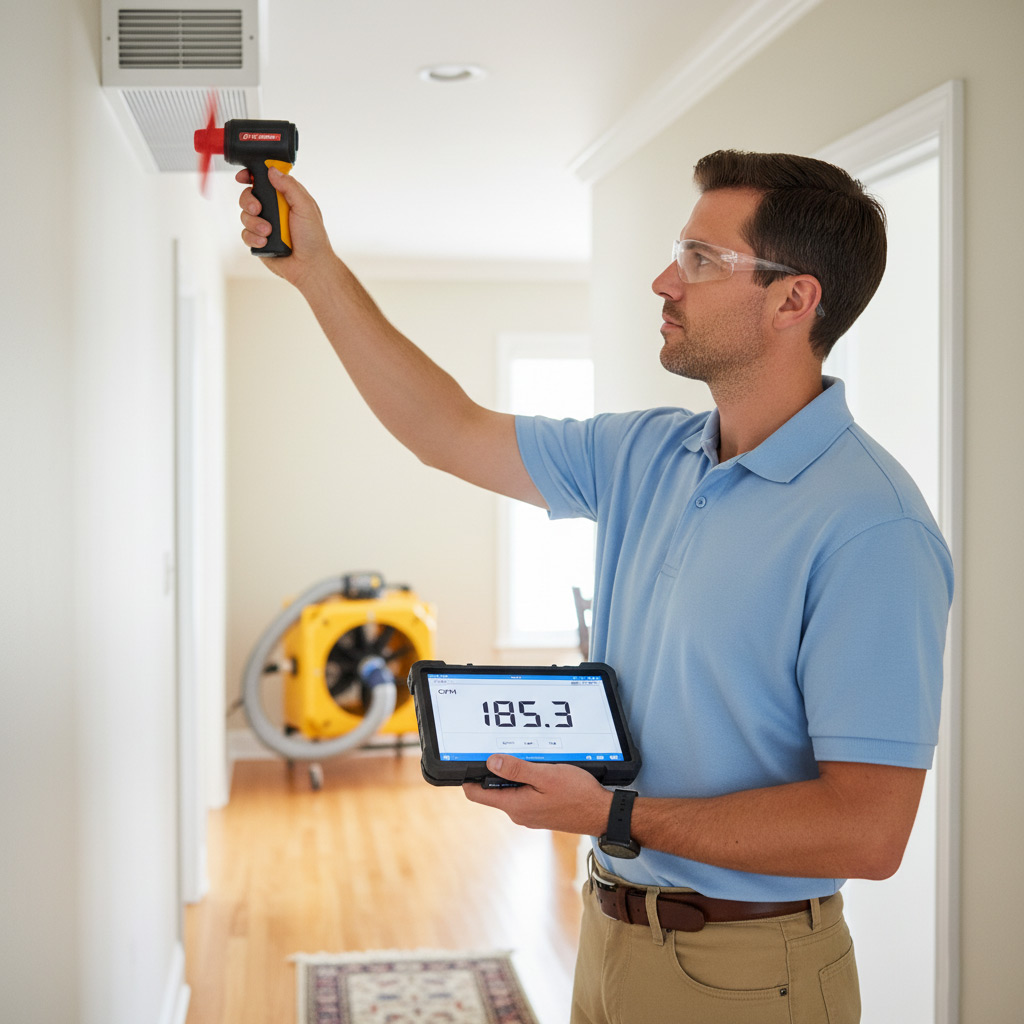
Technician arrives, does a quick visual sweep, then fires up the boiler to listen for odd noises. They’ll ask you a handful of questions about when the problem started and any recent changes in your utility bill.
- Check pressure gauge – should read 1–1.5 psi when cold.
- Inspect burners for soot or rust.
- Run a diagnostic scan on the control board.
2. Repair Execution
Once the issue is pinpointed, the tech lays out the repair plan on the spot. You’ll see a written estimate, a timeline, and a brief rundown of the parts needed.
- Replace a faulty thermostat or pressure valve.
- Clean or swap out a clogged heat exchanger.
- Re‑seal any leaking pipe joints.
3. Testing and Wrap‑Up
After the fix, the crew runs the boiler through a full cycle. They’ll verify temperature consistency, listen for any lingering clicks, and confirm that the pressure stays steady.
- Perform a safety shut‑off test.
- Show you how to reset the system if it trips.
- Leave a simple maintenance checklist for you.

Preventative Maintenance Strategies to Extend Boiler Lifespan
Seasonal Check‑ups
Give your boiler a quick once‑over before the heat hits. A visual sweep for rust, loose bolts, or cracked pipes can save you a pricey repair later.
What to look for:
- Clear, steady flame – no sputtering.
- Clean burner and heat exchanger; soot is a red flag.
- Secure vent pipes; any wobble means a leak waiting to happen.
Water & Pressure Management
Boiler water is its lifeblood. Keep the pressure gauge in the sweet spot (usually 1–1.5 bar when cold) and you’ll dodge the most common failures.
Simple steps:
- Bleed radiators monthly to release trapped air.
- Check the expansion tank for proper charge; a sagging tank spells trouble.
- Use a water softener if your supply is hard – mineral buildup is a silent killer.
Smart Settings & Professional Touch
Don’t let the thermostat run wild. Set it a few degrees lower at night and let the boiler rest; less cycling = longer life.
Schedule a certified HVAC tech for a deep dive at least once a year. They’ll:
- Test safety valves and limit switches.
- Lubricate moving parts to keep friction low.
- Run a combustion analysis to ensure clean, efficient burn.
Case Study: Rapid Boiler Restoration for a Cape Coral Homeowner
The Situation
When the Johnson family woke up to a *clanking* boiler and a sudden drop in water temperature, they were already juggling school drop‑offs and a looming work deadline. Their 12‑year‑old unit had been acting up for weeks, but they ignored the early warnings to avoid the hassle.
By noon, the house was cold, the thermostat read 55°F, and the energy bill started to climb. They called a local HVAC crew, hoping for a quick fix before the night shift.
The Solution
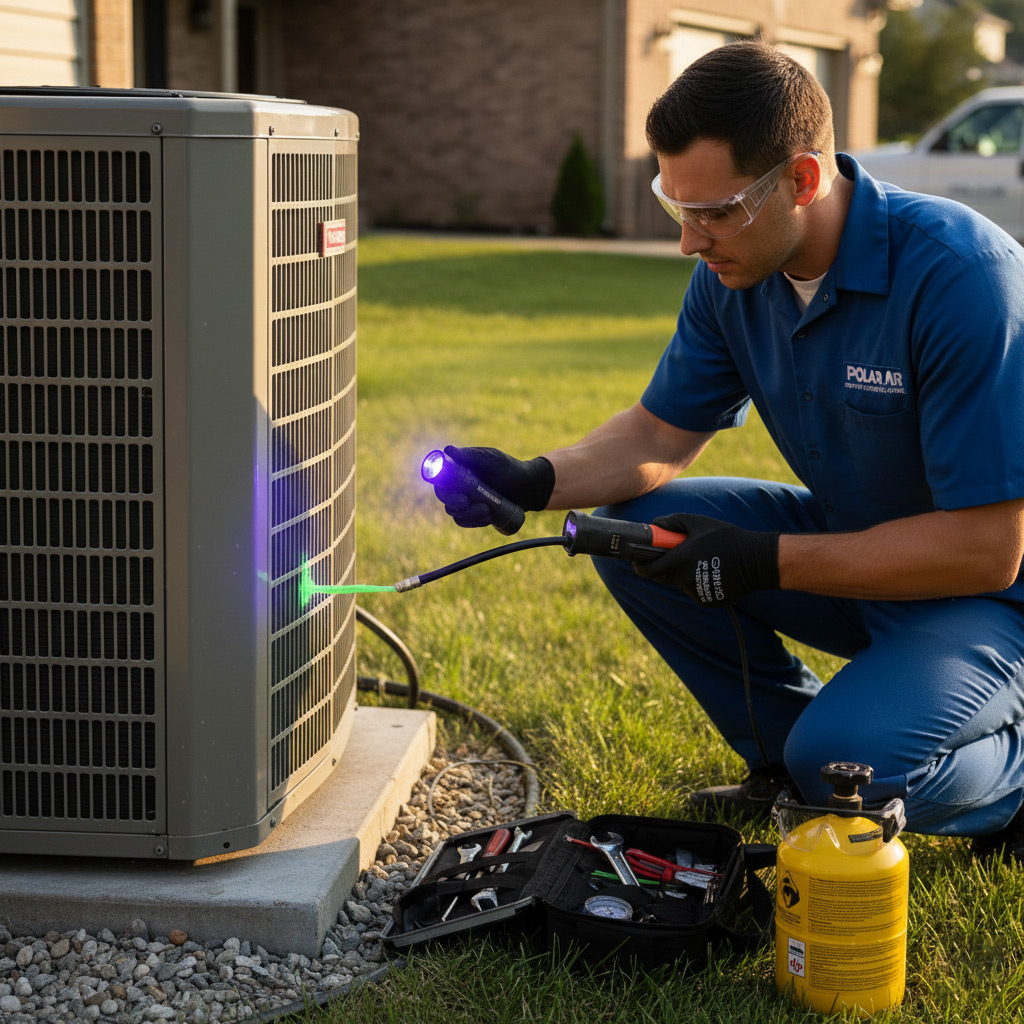
Our team arrived within 45 minutes, ran a rapid diagnostic, and discovered a cracked heat exchanger—a problem that can turn dangerous if left unchecked. We laid out a clear plan:
- Replace the heat exchanger on the spot (we kept a stocked unit in the van).
- Flush the system to remove any debris.
- Test pressure and safety valves before handing the keys back.
Within two hours, the boiler was humming again, the house warmed up, and the Johnsons breathed a sigh of relief. They saved over $800 in emergency repair fees by catching the issue early and choosing a pro who carried the right parts.
Takeaway
Fast response, stocked trucks, and transparent communication turned a potential disaster into a simple swap. The Johnsons now schedule quarterly check‑ups, and their boiler is projected to run smoothly for another decade.
Final Words
When the boiler finally hums back to life, you’ll feel the relief of a home that’s back on track. Don’t wait for the next surprise—keep the momentum going by treating your system like a prized asset, not an after‑thought.
Take Action Today
- Schedule a Boiler Repair check‑up before the next season hits.
- Set a calendar reminder for a 6‑month maintenance visit.
- Keep a simple log of any odd noises, temperature swings, or error codes.
Remember, a well‑maintained boiler saves you money, keeps the family comfortable, and avoids those frantic late‑night calls. Stay ahead of the curve and let a trusted Cape Coral HVAC pro handle the heavy lifting—so you can focus on what matters most.
People Also Ask
What are the most common boiler problems faced by Cape Coral homeowners?
Typical issues include low water pressure, faulty thermostats, and sediment buildup that reduces heating efficiency. The humid coastal climate can also accelerate corrosion in boiler components.How can I tell if my boiler needs repair before it completely fails?
Watch for unusual noises, inconsistent heat, and water leaks around the unit. A sudden rise in energy bills or the boiler cycling on and off frequently are also early warning signs.What should I look for when hiring a boiler repair technician in Cape Coral?
Choose a licensed HVAC professional with local experience, positive reviews, and transparent pricing. Verify they offer emergency service and a written warranty on parts and labor.What steps are involved in a typical boiler repair process?
The technician will first diagnose the issue, then shut down the system for safety, replace or repair faulty parts, and finally test the boiler to ensure proper operation. A post‑repair inspection confirms the problem is fully resolved.How often should I schedule preventative boiler maintenance?
Annual maintenance is recommended, ideally before the cooling season begins. Regular inspections keep the boiler running efficiently and help prevent costly breakdowns.
Cape Coral HVAC brings over 15 years of residential and commercial climate‑control expertise to the Cape Coral community. Their team of certified technicians delivers reliable heating, cooling, and ventilation solutions tailored to local needs. Committed to responsive service, they keep homes and businesses comfortable year‑round.
Need HVAC?
We deliver rapid, reliable home repair and maintenance across Cape Coral and surrounding communities (33904, 33905, 33907, 33901, 33912). Our team restores functionality quickly so you can move on.
Request a fast quote