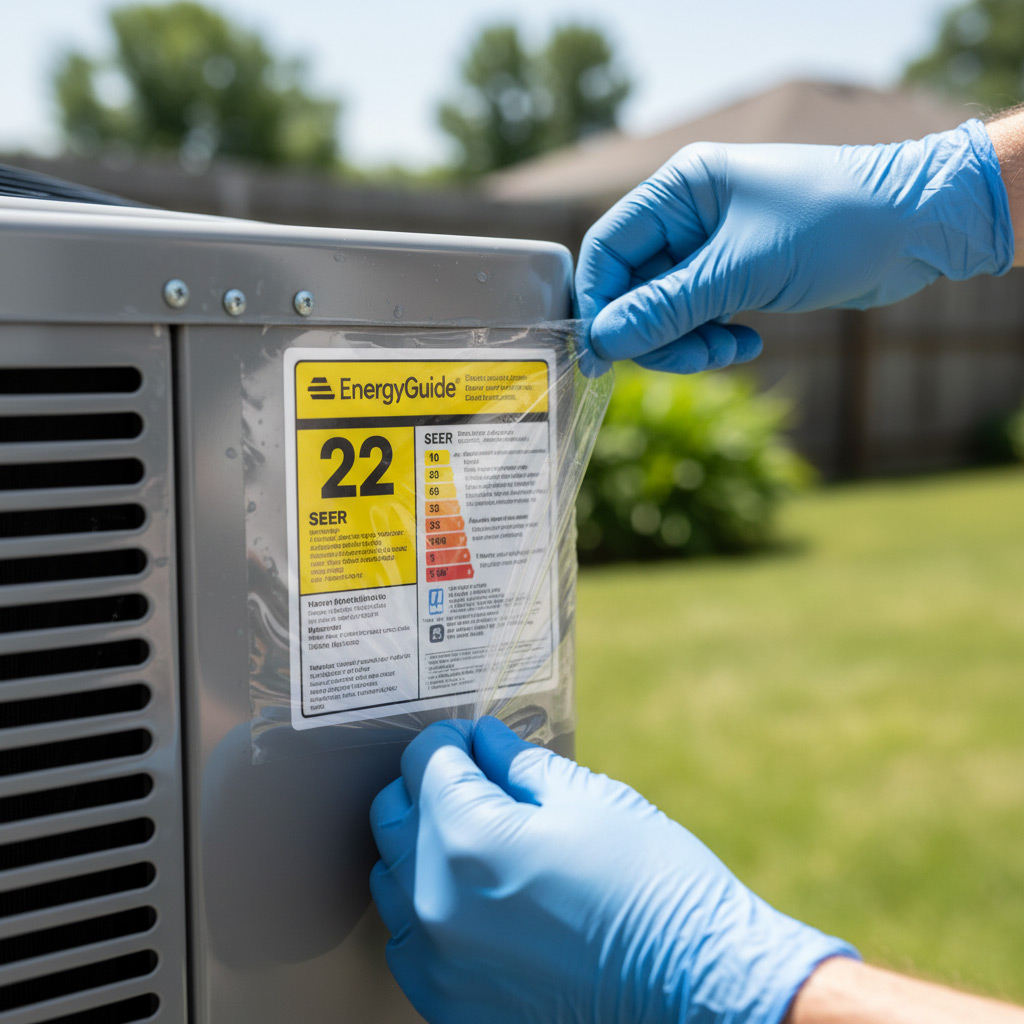
Picture this: the sun’s blazing down on Cape Coral, you crank the thermostat, and your heat pump coughs out a weak puff of air that barely cools the living room. That’s the exact moment every homeowner feels the sting of a broken system and wonders if they’re about to spend a fortune on a replacement.
In a town where humidity can turn a simple breeze into a swamp, a well‑tuned heat pump isn’t a luxury—it’s a lifeline. Knowing the tell‑tale signs of a failing unit and the shortcuts seasoned techs use can save you time, stress, and a lot of cash.
We’ve gathered the gritty, no‑BS tactics that Cape Coral’s top repair crews keep under their hats, from spotting hidden leaks to negotiating fair service rates. Think of it as your cheat sheet for getting the job done right the first time.
Ready to stop guessing and start fixing with confidence? Keep reading, and you’ll walk away with the exact steps you need to keep your home comfortable all year long.
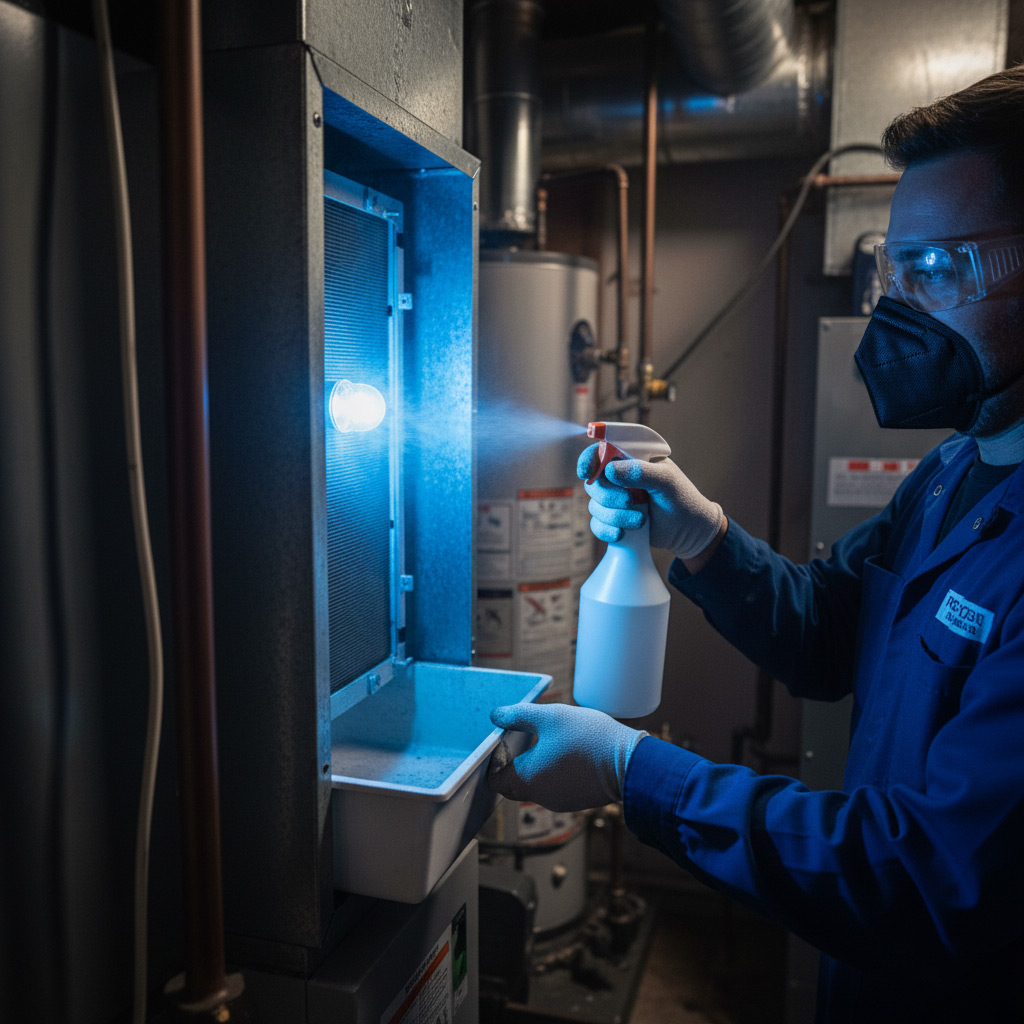
Common Warning Signs Your Heat Pump Needs Immediate Attention
When your heat pump starts acting like a lazy teenager, it’s screaming for help. Ignoring the noise, the smell, or the drop in comfort will only cost you more down the road.
Sounds That Mean Trouble
Listen closely. A high‑pitched squeal or a rattling clank isn’t just background noise—it’s a mechanical alarm.
- Squealing often points to a worn belt or motor bearing.
- Rattling can signal loose panels or a failing compressor.
- Rapid clicking usually means the thermostat is cycling too fast because the unit can’t reach set temperature.
Visible Red Flags
Open the service panel and take a quick look. A few visual clues can save you a callout fee.
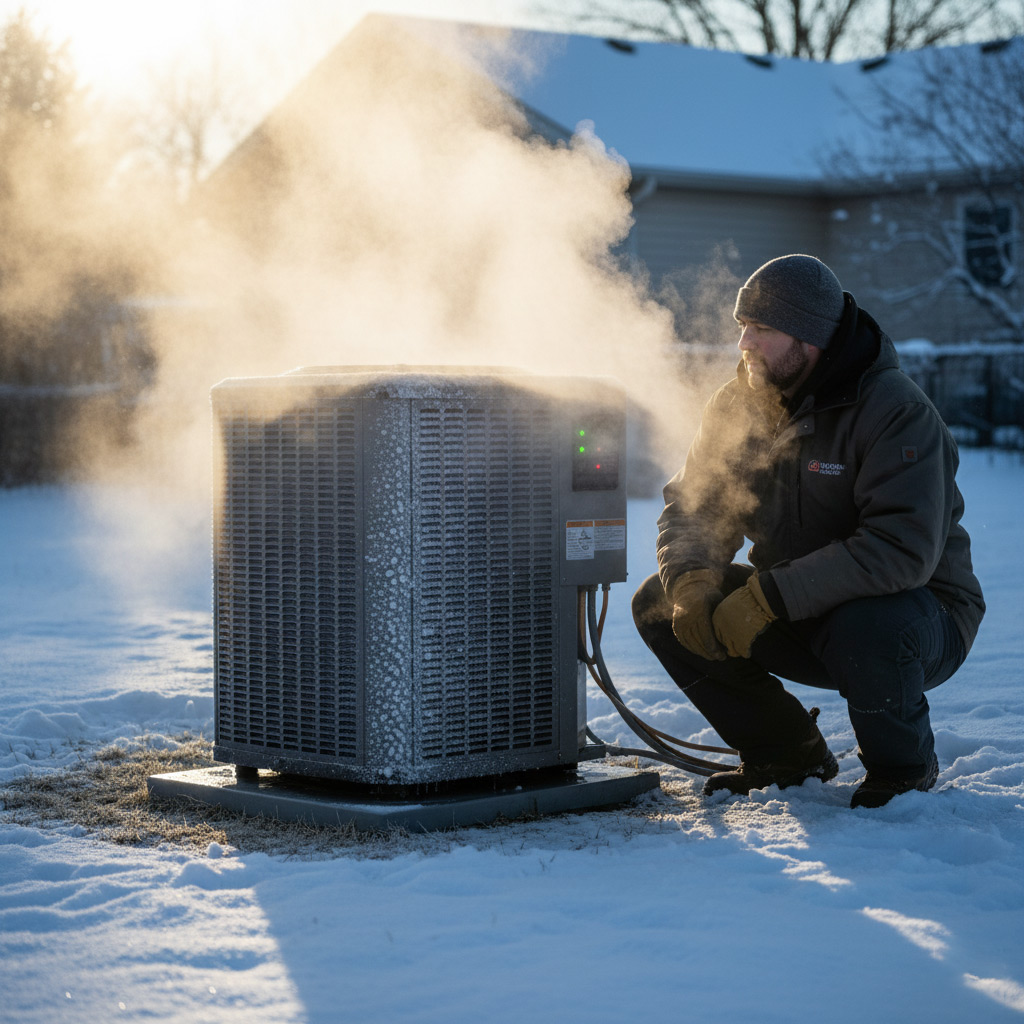
- Ice buildup on the coils – the pump is fighting frost, not heat.
- Water pooling around the unit – a clogged drain line or cracked condensate pan.
- Discolored or corroded wiring – electrical gremlins love humidity.
Don’t wait for a full‑blown breakdown. Spot these signs early, and you’ll keep your Cape Coral home cool without breaking the bank.
How Cape Coral’s Climate Impacts Heat Pump Performance and Longevity
Heat Load and Humidity
Cape Coral’s summer feels like a sauna—high temps + relentless humidity. That combo forces your heat pump to work double‑time, draining energy and shortening the compressor’s life.
When the air is saturated, the evaporator coil can’t shed moisture fast enough. The result? Ice builds up, airflow drops, and the unit sputters.
- High humidity = slower heat exchange
- Frequent on/off cycles = extra wear
- Ice formation = reduced airflow
Corrosion & Component Wear
Salt‑laden breezes roll in from the Gulf, and they love to rust metal parts. Corroded coils and fan blades lose efficiency fast, and a compromised refrigerant line can leak in minutes.
Even the tiniest pinch of rust on a valve can cause a pressure imbalance, making the compressor labor harder than it should.
- Coils: fouling = lower heat transfer
- Fans: rust = wobble, noise, power loss
- Refrigerant lines: leaks = costly re‑charge
Seasonal Tuning
Winter in Cape Coral is mild, but the temperature swing still shocks a system that’s been running hot all summer. Switching from cooling to heating too quickly stresses the reversing valve.
Smart homeowners adjust the thermostat in 2‑degree increments and schedule a pre‑season check‑up to catch wear before it becomes a breakdown.
- Gradual set‑point changes = smoother transitions
- Pre‑season service = early leak detection
- Filter changes every 30‑45 days = cleaner airflow
Step‑by‑Step Diagnostic Checklist Every Homeowner Can Perform
Before you dial up a tech, run through this quick audit. It takes five minutes, saves dollars, and tells you if the problem is a simple fix or a full‑blown emergency.
Power and Controls
First, make sure the unit is actually getting juice.
- Check the circuit breaker – a tripped switch is the most common culprit.
- Verify the thermostat is set to “cool” (or “heat” in the winter) and the temperature is at least 5 °F lower than the room.
- Look for a loose or burnt‑smelling wire at the outdoor disconnect box.
Airflow and Refrigerant
Good airflow equals good performance. Anything else means the pump is working harder than it should.
- Remove the front grille and give the filter a visual once‑over; a clogged filter will choke the system.
- Feel the supply vents – if they’re weak or uneven, the blower motor or fan blade may be dirty or misaligned.
- Listen for a hissing sound near the coil; a faint hiss can indicate a refrigerant leak that needs a pro’s attention.
Safety Checks
Don’t ignore the basics – they protect you and the equipment.
- Make sure the condensate drain isn’t blocked; standing water can trigger a float switch and shut the unit down.
- Inspect the outdoor unit for debris, leaves, or standing water that could cause overheating.
- Check the unit’s warranty sticker – if it’s still in effect, you may qualify for a free repair.
DIY Fixes vs. When to Call a Professional: Cost‑Benefit Analysis
Before you grab a wrench, ask yourself: Will this save money or just waste time? A quick filter swap or a cleaned coil can shave a few dollars off the bill. But if you’re digging into refrigerant lines, you’re stepping into a minefield of regulations and hidden costs.
When DIY Makes Sense
- Replace a clogged air filter – under $20 and takes 5 minutes.
- Clear debris around the outdoor unit – improves airflow, no tools needed.
- Reset the thermostat or circuit breaker – often fixes a “dead” unit.
These tasks are low‑risk and give you instant gratification. You’ll see a modest boost in performance without calling anyone.
When to Call the Pros
- Strange noises like grinding or squealing – could be a failing motor.
- Leaking refrigerant – requires certified handling and can cost $300‑$800 to fix.
- System won’t start after a reset – may indicate electrical or compressor issues.
Attempting these yourself can turn a $200 fix into a $2,000 nightmare. A licensed tech brings warranty protection and the right tools.
Bottom line: weigh the time you’ll spend, the risk of further damage, and the price tag of a professional call. If the repair is under $150 and you’re comfortable, go DIY. Anything beyond that, especially with refrigerant or major components, hand it over to the experts.
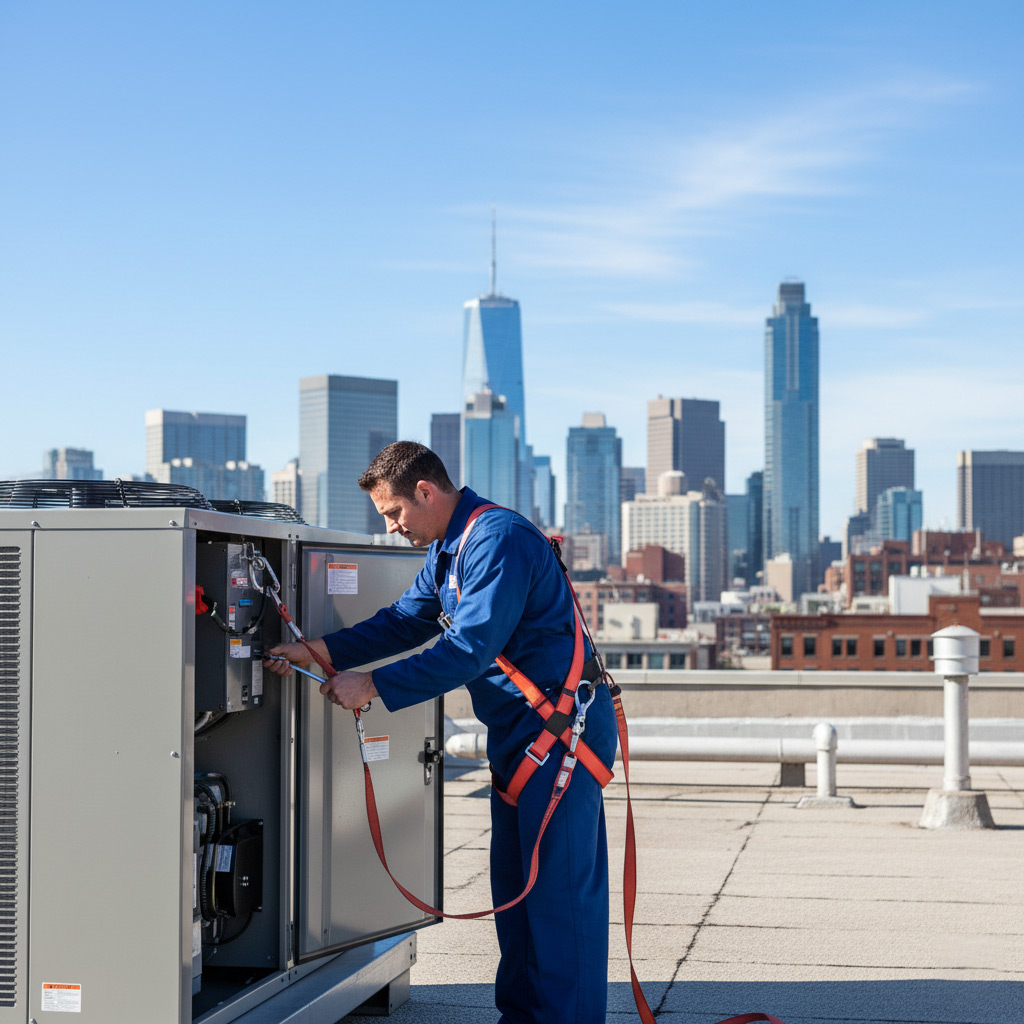
Choosing the Right Repair Service: Credentials, Pricing, and Guarantees
When you’re staring at a sputtering heat pump, you need a crew that knows its stuff and won’t leave you guessing. The right tech will have the paperwork to prove it, a clear price sheet, and a guarantee that backs every screw they turn.
Credentials that Matter
Don’t settle for a “handyman” who can’t read a refrigerant chart. Look for these hard‑won badges:
- NATE‑certified technicians – they’ve passed a national exam.
- EPA Section 608 certification – required for handling refrigerants.
- Local licensing – a valid Florida contractor’s license shows they’re vetted.
Ask for proof before they start. A quick photo of the license on their phone is all it takes to weed out fly‑by‑night operators.
Pricing Transparency
Heat‑pump repairs can balloon fast, so you need a price structure that’s as clear as a Florida sky.
- Flat‑rate diagnostics – you know the cost before any work begins.
- Itemized labor and parts – no surprise line items after the job.
- Written estimate with a 48‑hour hold – gives you time to compare quotes.
If a company balks at giving a written estimate, walk away. Honest pricing is a sign of confidence, not fear.
Guarantees that Protect You
A solid guarantee turns a repair into an investment, not a gamble.
- Labor warranty of at least one year – covers any slip‑ups on the job.
- Parts warranty from the manufacturer – usually 5‑year for major components.
- Performance guarantee – if the unit doesn’t meet the rated capacity, they’ll re‑service it free.
Read the fine print. A guarantee that expires the day after the repair is as good as none at all.
Case Study: Rapid Heat Pump Restoration for a Flood‑Prone Cape Coral Home
The Situation
When a sudden storm slammed the Gulf side, water seeped into the crawl space of a modest Cape Coral bungalow. The homeowner called us at 2 a.m., panicked, because the heat pump was sputtering and the humidity inside the house was climbing fast.
We arrived within the hour, found the outdoor unit half‑submerged, and discovered a corroded capacitor that was choking the compressor. The clock was ticking – every minute of downtime meant higher electric bills and a breeding ground for mold.
What We Did
Our crew followed a razor‑sharp checklist to get the system back online before the next tide rolled in:
- Secure the area: Shut off power, pump out standing water, and dry the surrounding soil.
- Inspect electrical components: Test the capacitor, replace it on the spot, and verify wiring integrity.
- Clean the condenser coils: Spray a biodegradable coil cleaner, rinse, and let them air‑dry.
- Re‑seal the unit’s base: Apply a waterproof gasket to prevent future infiltration.
- Run a full performance test: Check refrigerant pressure, airflow, and thermostat response.
The Outcome
Within 90 minutes the heat pump was humming at full strength, delivering crisp 72°F air throughout the home. The homeowner saved roughly $1,200 by avoiding a full‑unit replacement and praised the crew for “turning a disaster into a quick win.”
Since that night, the family has reported no further issues, and the added waterproof seal has held up through two more heavy rain events. Lesson learned: a fast, focused response can rescue a flood‑threatened system without breaking the bank.
Final Words: Maintaining Peak Efficiency Year‑Round
Think of your heat pump like a race car. Regular tune‑ups keep it on the pole position, while neglect turns it into a clunker that sputters in the heat and freezes in the chill.
Seasonal Checklist
- Spring: Clean the outdoor coils, clear debris, and verify the condensate drain isn’t clogged.
- Summer: Check refrigerant pressure, replace the air filter, and run the fan on high for 15 minutes weekly.
- Fall: Inspect the thermostat calibration, lubricate moving parts, and schedule a professional inspection before the cooling season ends.
- Winter: Keep the unit covered from snow or ice, test the defrost cycle, and make sure the backup heat source fires up when needed.
Stick to this list and you’ll dodge the surprise breakdowns that make Cape Coral homeowners pull their hair out.
Pro Tips to Keep Costs Low
Don’t wait for a full‑blown failure. A quick Heat Pump Repair call when you notice a dip in performance can save you a thousand bucks in parts.
Set a calendar reminder for filter changes—every 30‑45 days in the humid months. A clean filter means the compressor works less, which translates to lower electricity bills.
Finally, keep a log of service dates, parts replaced, and any odd noises. When the tech shows up, they’ll have a head start, and you’ll avoid the “guess‑what’s‑wrong” markup that techs love to charge for.
People Also Ask
What are the most common signs that my heat pump needs repair in Cape Coral?
A sudden loss of heating or cooling, strange noises, and frequent cycling are immediate red flags. Also watch for reduced airflow, frost buildup on the outdoor unit, or unusually high energy bills.How does Cape Coral’s humid, coastal climate affect heat pump longevity?
High humidity and salty air accelerate corrosion and reduce coil efficiency, shortening the system’s lifespan. Regular cleaning and corrosion‑resistant components are essential to combat these conditions.Can I safely troubleshoot my heat pump before calling a technician?
Yes, homeowners can check the thermostat settings, replace dirty air filters, and ensure the outdoor unit is clear of debris. However, electrical issues or refrigerant leaks should always be handled by a licensed professional.When is it more cost‑effective to repair versus replace a heat pump?
If repair costs exceed 50% of a new unit’s price or the system is over 10‑12 years old, replacement usually offers better long‑term savings. Newer models also provide higher SEER ratings, lowering future energy expenses.What credentials should I look for when hiring a heat pump repair service in Cape Coral?
Choose technicians with NATE certification, a valid Florida contractor’s license, and positive local reviews. Transparent pricing, written warranties, and a guarantee on workmanship are also key indicators of quality service.
Cape Coral HVAC brings over 15 years of residential and commercial climate control expertise to the Cape Coral community. Their certified technicians specialize in energy‑efficient heating, cooling, and ventilation solutions tailored to local homes and businesses. Committed to reliable service, they prioritize comfort and indoor air quality for every client.
Need HVAC?
We deliver rapid, reliable home repair and maintenance across Cape Coral and surrounding communities (33904, 33905, 33907, 33901, 33912). Our team restores functionality quickly so you can move on.
Request a fast quote