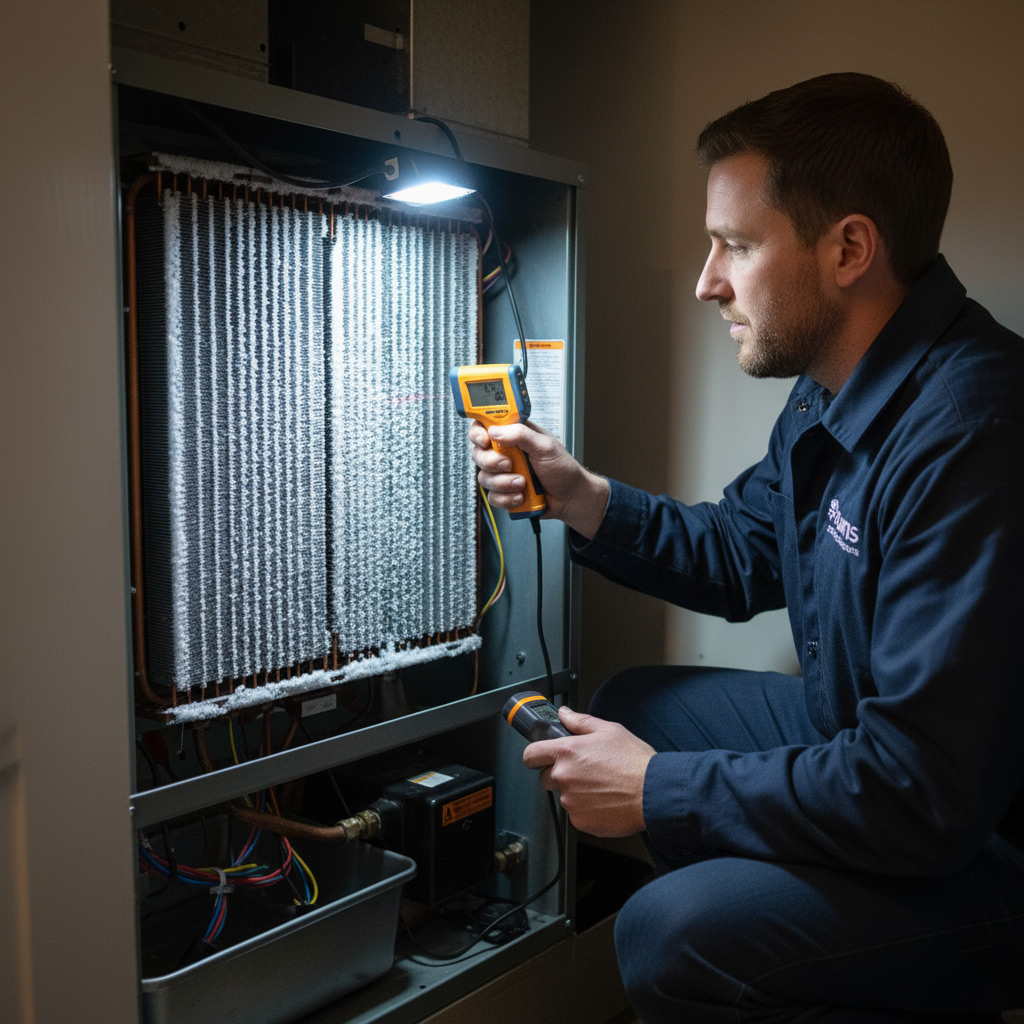
Picture this: a sweltering Cape Coral afternoon, the sun beating down on your roof, and your HVAC system humming like a contented cat. Most folks think that’s just the price of comfort, but there’s a hidden playbook that lets you keep the cool without the crazy electric bill.
What if you could design a system that reads the weather, learns your habits, and only works when it really needs to? It’s not a pipe‑dream; it’s a method seasoned pros have been fine‑tuning for years, and it’s right at your doorstep.
Ready to uncover the secret sauce that turns a regular HVAC setup into a smart, money‑saving powerhouse? Let’s dive in.
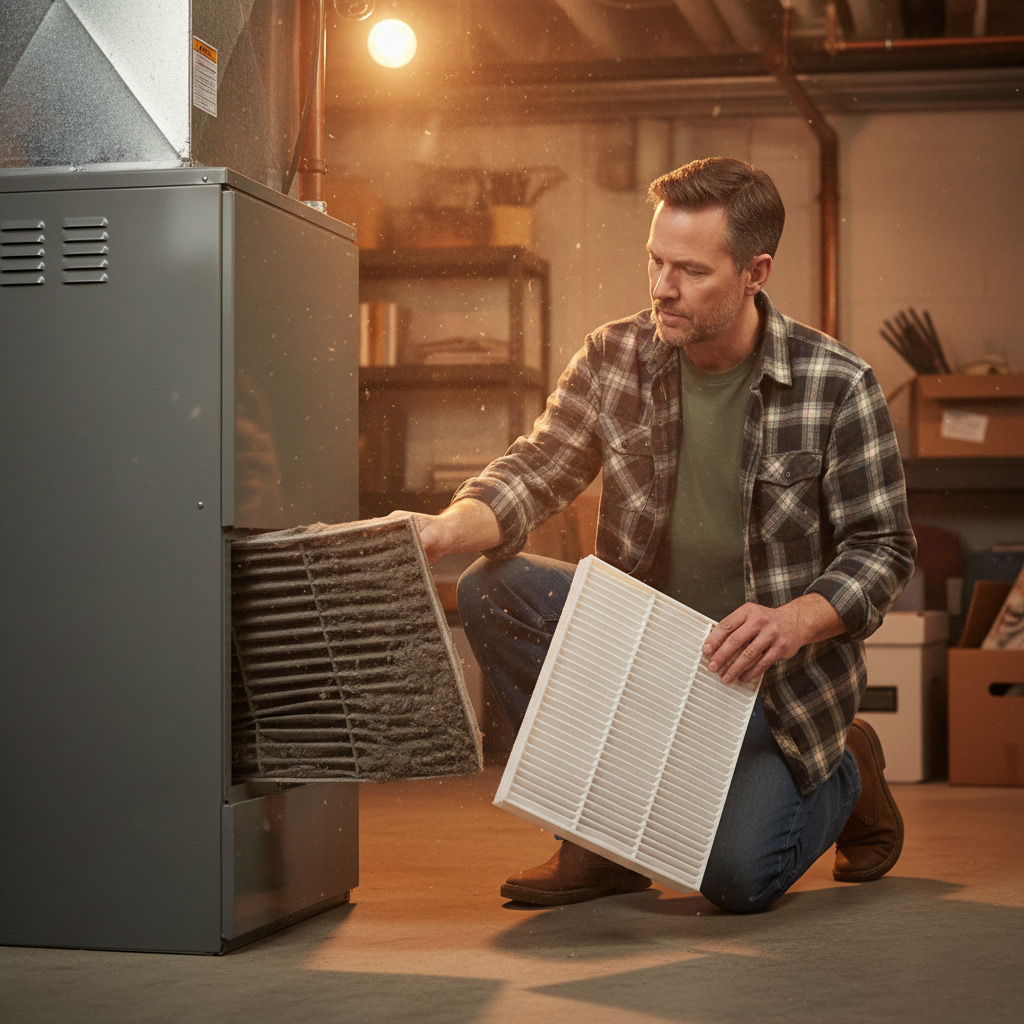
Understanding Cape Coral’s Climate: How Weather Impacts HVAC Efficiency
Cape Coral basks in a subtropical vibe—hot, humid summers and mild winters. Those scorching afternoons push your AC to its limits, while the occasional cool breeze can be a hidden ally. Knowing when the sun is at its peak helps you avoid over‑working the system.
Key Climate Drivers
- Temperature spikes: Daily highs often breach 95°F, demanding rapid cooling.
- Humidity levels: Coastal moisture can climb above 80%, forcing the unit to dehumidify as well as chill.
- Sea‑breeze patterns: Evening breezes can lower indoor loads if you let the system rest.
When you match your HVAC strategy to these patterns, you cut waste. A smart setup knows to dial back when the sea breeze kicks in, and to surge just enough when the sun turns up the heat. The result? A cooler home without the bill blowing up.
Core Components of an Energy‑Smart HVAC Design
Before you start swapping out parts, know the three pillars that turn a regular system into a money‑saving machine: a high‑output compressor, intelligent controls, and a duct network that actually moves air where you need it. Get these right and you’ll watch the thermostat numbers drop without sacrificing comfort.
What makes the hardware “smart”?
- Variable‑speed compressor – ramps up only when the heat calls for it, then backs off.
- Inverter‑driven fan motors – keep airflow steady while using less power.
- Advanced heat exchangers – squeeze more cooling out of each BTU.
Control layer that actually learns
- Wi‑Fi thermostat with geofencing – knows when you’re home, away, or just passing by.
- Zoning valves and dampers – let each room speak its own temperature.
- Integration with home‑automation hubs – voice commands become real savings.
Finally, the ductwork isn’t just a pipe maze. Proper sizing, sealed joints, and insulated runs keep the cool air from leaking out into the humid Cape Coral night. When the air moves efficiently, the compressor doesn’t have to work overtime, and your electric bill finally behaves.
Integrating Smart Thermostats and Zoning Controls for Optimal Performance
Let the thermostat do the heavy lifting
Modern smart thermostats act like a personal climate concierge – they sniff the forecast, watch your daily rhythm, and adjust on the fly. No more guessing games about when to crank the AC up or down; the unit learns you and the weather, then makes the call.
Because they talk to your Wi‑Fi, you can tweak settings from your phone while you’re at the beach, and the system will honor those changes without a hitch.
Slice your home into comfort zones
Zoning puts a stop to the “one‑size‑fits‑all” approach. By installing dampers and separate controls for each area, you tell the furnace or AC exactly where to work and where to chill.
That means the master suite stays cool while the garage stays just breezy enough – you only pay for the air you actually need.
Key steps to get it right
- Choose a thermostat that supports geofencing and local weather integration.
- Map out zones based on usage patterns – bedrooms, living room, sun‑exposed rooms.
- Install motorized dampers and connect them to a central controller.
- Program schedules that reflect real‑life habits, then let the system fine‑tune itself.
Selecting High‑Efficiency Equipment: SEER Ratings, Variable Speed Motors, and Beyond
What SEER Really Means
In Cape Coral, a high SEER rating is your ticket to lower power draws when the sun is blazing. SEER (Seasonal Energy Efficiency Ratio) measures cooling output versus electricity used over a typical season.
- 14‑15 SEER: Meets code, decent savings.
- 16‑18 SEER: Noticeable drop in monthly bills.
- 20+ SEER: Premium performance, best for long‑term owners.
Variable Speed Motors: The Quiet Workhorse
Unlike single‑speed units that slam on full blast, variable speed motors modulate output to match the load. The result? Fewer temperature swings and a whisper‑quiet operation.
- Smooth ramp‑up keeps humidity in check.
- Energy use drops 30%‑40% compared to traditional compressors.
- Longer motor life thanks to gentler cycles.
Beyond the Basics: Next‑Gen Options
If you want to squeeze every drop of savings, look past SEER and speed. Modern systems pack features that adapt to coastal conditions.
- Inverter‑driven heat pumps: switch seamlessly between heating and cooling.
- Two‑stage compressors: run at half power most of the day.
- Smart sensors: detect occupancy and adjust airflow on the fly.
Designing for Proper Airflow and Ductwork Optimization in Coastal Homes
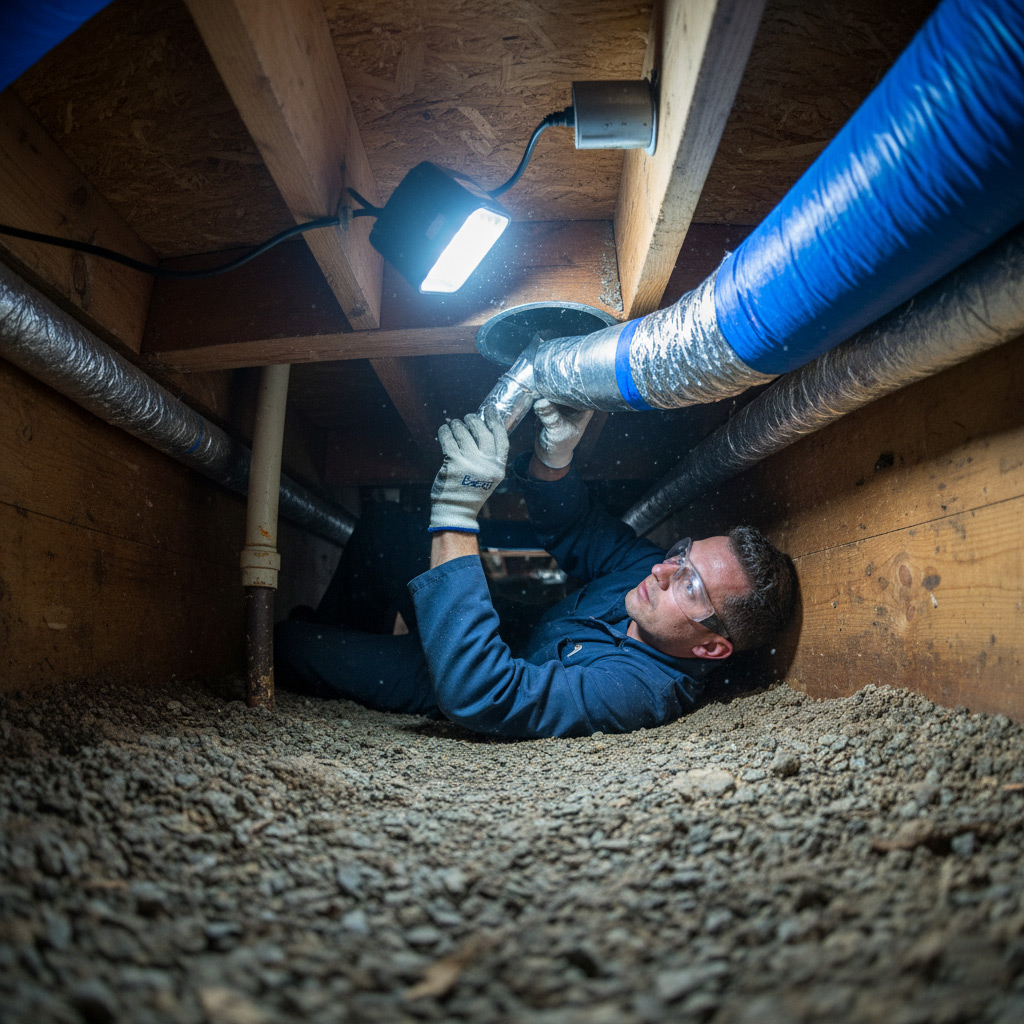
Living on the water means battling humidity, salty air, and sudden temperature swings. If your ducts are the wrong size or riddled with leaks, the system works overtime and your wallet feels the heat. The trick is to treat the duct network like a highway—smooth, direct, and sealed tight.
The Ductwork Checklist
- Right‑size every run: Oversized ducts slow air, undersized ones choke it.
- Seal every joint with mastic, not cheap foil tape.
- Wrap insulation with a vapor barrier to keep salty moisture out.
- Install return grilles in each major room for balanced pressure.
- Use rigid metal where possible; flexible hose belongs only in short, hidden sections.
Coastal homes also benefit from a little extra love on the insulation front. A well‑insulated attic and crawl space keep the ducts from heating up before the air even reaches the living room. When the air stays cool inside the ducts, the blower doesn’t have to work harder, and you shave dollars off every bill.
Case Study: Transforming a Cape Coral Residence into an Energy‑Smart Haven
When the Martinez family moved into their 2,300‑sq‑ft waterfront home, the AC was gulping power like a thirsty horse. They were paying for comfort, but the bills were screaming. Our mission: turn that beast into a lean, mean, climate‑control machine.
What We Changed
- Replaced the old 10‑SEER unit with a 16‑SEER variable‑speed furnace and two‑stage air conditioner.
- Installed a Wi‑Fi thermostat that learns the family’s schedule and adjusts on the fly.
- Added zoning dampers to split the upstairs and downstairs, giving each zone its own temperature command.
- Sealed and insulated the ductwork, eliminating leaks that were stealing up to 30% of airflow.
After three months, the Martinez’s electric bill dropped 38%, and the home stayed comfortable even during the July heatwave. They now brag about the quiet operation and the fact that the system “knows” when to kick in and when to sit back. The proof? A cooler house, a fatter wallet, and a smile that says, “We finally got the secret sauce.”
Final Thoughts: Your Roadmap to a Cooler Home and Lower Bills
Think of your HVAC system as a teammate that actually listens. When you give it the right data—weather trends, occupancy patterns, and a dash of smart tech—it stops guessing and starts delivering crisp air on demand.
5‑Point Action Plan
- Audit your current setup: Spot leaks, check insulation, and note any uneven temperatures.
- Upgrade to a variable‑speed furnace or AC unit with a SEER rating that makes the sun sweat.
- Install a smart thermostat and set up zoning so each room gets only the cooling it needs.
- Seal and balance ducts; a smooth airflow path is worth every penny.
- Schedule regular maintenance—clean coils, replace filters, and verify sensor accuracy.
Follow that checklist and you’ll watch the thermostat numbers drop while comfort climbs. Need a deeper dive? Check out our HVAC System Design guide for the full playbook.
People Also Ask
How does Cape Coral’s humid climate affect HVAC system efficiency?
The high humidity increases the load on cooling equipment, forcing it to work harder to remove moisture and maintain comfort. Choosing a system with proper dehumidification capacity and moisture‑resistant components helps preserve efficiency year‑round.What are the key benefits of using a smart thermostat in a Cape Coral home?
Smart thermostats learn occupancy patterns, adjust temperatures automatically, and can be controlled remotely, reducing unnecessary heating and cooling cycles. This leads to lower energy bills and extends the lifespan of HVAC equipment.Why is SEER rating important when selecting an HVAC unit for coastal Florida?
A higher Seasonal Energy Efficiency Ratio (SEER) indicates the unit uses less electricity to produce the same amount of cooling, which is crucial in a hot, sunny climate. Opting for a SEER‑15 or higher unit can cut cooling costs by up to 20 % compared to lower‑rated models.How does zoning improve airflow and comfort in Cape Coral residences?
Zoning divides the home into separate climate zones, each with its own thermostat and dampers, allowing precise temperature control where it’s needed. This eliminates hot or cold spots, reduces energy waste, and enhances overall comfort.What ductwork design practices prevent energy loss in coastal homes?
Sealing all joints, insulating ducts that run through unconditioned spaces, and sizing ducts correctly to match airflow requirements prevent leaks and pressure drops. Properly designed ductwork ensures the HVAC system operates at peak efficiency and maintains consistent indoor temperatures.
Cape Coral HVAC brings over 15 years of residential and commercial climate‑control expertise to the Cape Coral community. Their certified technicians specialize in efficient heating, cooling, and indoor‑air‑quality solutions tailored to local homes and businesses. Committed to reliable service, they prioritize prompt response and personalized care for every client.
Need HVAC?
We deliver rapid, reliable home repair and maintenance across Cape Coral and surrounding communities (33904, 33905, 33907, 33901, 33912). Our team restores functionality quickly so you can move on.
Request a fast quote